

As a supplier of chelating dispersants, I often encounter questions from customers about the influence of these products on the biodegradability of the final formulations. This topic is not only crucial from an environmental perspective but also has significant implications for the market acceptance of our products. In this blog, I will delve into the relationship between chelating dispersants and biodegradability, exploring both the positive and negative aspects based on scientific research and industry experience.
Understanding Chelating Dispersants
Chelating dispersants are chemical agents that have the ability to form complexes with metal ions, preventing them from interfering with various processes. They are widely used in industries such as textiles, detergents, water treatment, and pulp and paper. By binding to metal ions like calcium, magnesium, iron, and copper, chelating dispersants can improve the performance of products by reducing scale formation, enhancing color fastness, and preventing metal-catalyzed oxidation reactions.
There are different types of chelating dispersants available in the market, including those based on phosphates, aminopolycarboxylates, and biodegradable polymers. Phosphorus Free Chelating Dispersant is a popular choice due to its environmental benefits, as it avoids the potential negative impacts associated with phosphate pollution. Chelating Disperse Agent is another common type that provides excellent dispersing and chelating properties.
Biodegradability: A Key Environmental Consideration
Biodegradability refers to the ability of a substance to be broken down by microorganisms into simpler, environmentally friendly compounds such as carbon dioxide, water, and biomass. In recent years, there has been a growing demand for biodegradable products as consumers and regulatory bodies become more aware of the environmental impact of chemical substances. Biodegradable chelating dispersants offer several advantages, including reduced environmental persistence, lower toxicity, and less accumulation in the ecosystem.
However, the biodegradability of chelating dispersants can be influenced by various factors, such as the chemical structure, molecular weight, and the presence of other substances in the formulation. For example, some traditional chelating agents based on phosphates are known to be non - biodegradable and can contribute to eutrophication in water bodies. On the other hand, newer generations of chelating dispersants are designed to be more environmentally friendly and have better biodegradability profiles.
Positive Influence on Biodegradability
In some cases, chelating dispersants can actually enhance the biodegradability of products. One way is by preventing the inhibition of microbial activity caused by metal ions. Metal ions can have a toxic effect on microorganisms, reducing their ability to break down organic matter. Chelating dispersants bind to these metal ions, removing their inhibitory effect and allowing microorganisms to function more efficiently.

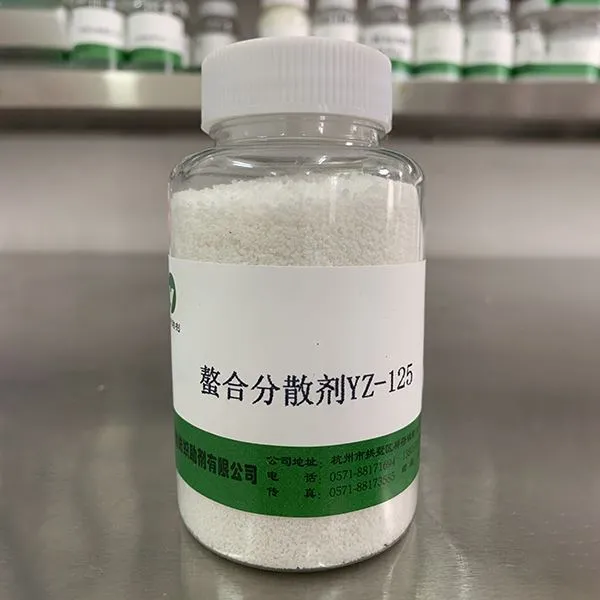
For instance, in the textile industry, chelating dispersants are used to remove metal ions from the fabric during the dyeing process. By doing so, they not only improve the dyeing quality but also create a more favorable environment for the biodegradation of the dyes and other chemicals used in the process. In water treatment, chelating dispersants can help in the removal of heavy metals, which can then enhance the biodegradation of organic pollutants in the water.
Another positive aspect is that some biodegradable chelating dispersants can act as a carbon source for microorganisms. These dispersants are designed to be easily metabolized by bacteria and fungi, providing them with the energy and nutrients they need to grow and multiply. This can accelerate the overall biodegradation process of the product formulation.
Negative Influence on Biodegradability
Despite the potential positive effects, chelating dispersants can also have a negative impact on biodegradability. Some chelating agents may form stable complexes with organic matter, making it more difficult for microorganisms to access and break down the organic components. This can slow down the biodegradation rate and lead to the accumulation of partially degraded substances in the environment.
Moreover, the presence of certain functional groups in chelating dispersants can make them resistant to biodegradation. For example, some synthetic polymers used as chelating dispersants have complex chemical structures that are not easily recognized by microorganisms. These polymers can persist in the environment for a long time, posing a potential threat to the ecosystem.
In addition, the combination of chelating dispersants with other chemicals in a product formulation can also affect biodegradability. Some chemicals may interact with the chelating dispersant, altering its chemical properties and reducing its biodegradability. For example, the presence of surfactants or other additives can form micelles or complexes with the chelating dispersant, making it less accessible to microorganisms.
Assessing Biodegradability
To determine the influence of chelating dispersants on the biodegradability of products, it is essential to conduct thorough testing. There are several standard methods available for assessing biodegradability, such as the OECD 301 series of tests. These tests measure the extent of biodegradation of a substance under specific conditions, including aerobic and anaerobic environments.
In addition to laboratory tests, field studies can also provide valuable information about the real - world biodegradability of products. By monitoring the degradation of products in natural environments such as soil or water, we can better understand the long - term effects of chelating dispersants on the ecosystem.
Choosing the Right Chelating Dispersant
As a supplier, I understand the importance of helping our customers choose the right chelating dispersant that meets their performance requirements while also being environmentally friendly. When selecting a chelating dispersant, it is crucial to consider its biodegradability profile, as well as its chelating and dispersing capabilities.
For applications where biodegradability is a top priority, we recommend using Phosphorus Free Chelating Dispersant or other biodegradable options. These products are designed to break down quickly in the environment, reducing their environmental impact. At the same time, they still provide excellent chelating and dispersing performance, ensuring the quality of the final product.
Conclusion
In conclusion, the influence of chelating dispersants on the biodegradability of products is a complex issue that depends on various factors. While chelating dispersants can have both positive and negative effects on biodegradability, with the right choice and proper use, they can contribute to more sustainable and environmentally friendly products.
As a leading supplier of chelating dispersants, we are committed to providing our customers with high - quality products that balance performance and environmental responsibility. If you are interested in learning more about our chelating dispersants or have any questions regarding their biodegradability, please feel free to contact us for further discussion and potential procurement. We look forward to working with you to find the best solutions for your specific needs.
References
- Schwarzenbach, R. P., Egli, T., Hofstetter, T. B., & Westall, J. C. (2010). Metal - organic compounds in the environment. Wiley - VCH.
- OECD Guidelines for the Testing of Chemicals, Section 3: Degradation and Accumulation. (2006). Organisation for Economic Co - operation and Development.
- Rittmann, B. E., & McCarty, P. L. (2001). Environmental biotechnology: Principles and applications. McGraw - Hill.