

Are defoaming agents toxic? This is a question that often comes up in various industries where defoaming agents are widely used. As a supplier of defoaming agents, I am frequently asked about the toxicity of our products. In this blog post, I will delve into this topic, providing a comprehensive analysis based on scientific knowledge and industry experience.
Understanding Defoaming Agents
Defoaming agents, also known as antifoaming agents, are substances added to a liquid to reduce or eliminate foam. Foam can be a nuisance in many industrial processes, such as in the food and beverage industry, wastewater treatment, paint manufacturing, and textile dyeing. Excessive foam can lead to inefficiencies, reduced product quality, and even safety hazards. Defoaming agents work by breaking the surface tension of the foam bubbles, causing them to collapse.
There are different types of defoaming agents, including silicone-based, oil-based, and powder-based. Each type has its own characteristics and is suitable for specific applications. For example, silicone-based defoaming agents are known for their high efficiency and wide temperature range, making them popular in many industries. Oil-based defoaming agents are often used in applications where water solubility is not a requirement. Powder-based defoaming agents are convenient for use in dry processes.
Toxicity Assessment of Defoaming Agents
The toxicity of defoaming agents depends on several factors, including their chemical composition, concentration, and the route of exposure. In general, most commercially available defoaming agents are designed to be safe for use in their intended applications. However, it is important to note that some defoaming agents may contain certain chemicals that can be harmful if ingested, inhaled, or come into contact with the skin in large quantities.
Chemical Composition
Silicone-based defoaming agents are generally considered to be low in toxicity. Silicones are inert materials that have a low potential for causing adverse health effects. They are widely used in the food industry as a defoaming agent, and the U.S. Food and Drug Administration (FDA) has approved their use in certain food applications. However, some silicone-based defoaming agents may contain additives or impurities that could potentially be toxic. It is important to choose defoaming agents from reputable suppliers who adhere to strict quality control standards.
Oil-based defoaming agents may contain various types of oils, such as mineral oil or vegetable oil. Mineral oil is a petroleum-derived product that has been associated with some health concerns, such as the potential for skin irritation and respiratory problems. Vegetable oil-based defoaming agents are generally considered to be more environmentally friendly and less toxic than mineral oil-based ones. However, they may also contain additives or preservatives that could pose a risk if not used properly.
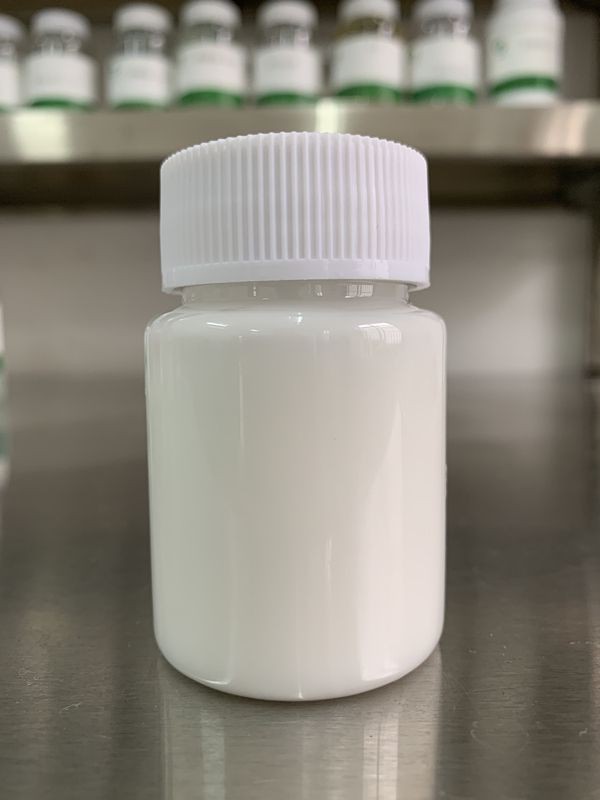

Powder-based defoaming agents may contain a variety of chemicals, including surfactants, polymers, and inorganic salts. Some of these chemicals may be irritating to the skin, eyes, or respiratory system. It is important to follow the safety instructions provided by the manufacturer when handling powder-based defoaming agents.
Concentration
The concentration of defoaming agents in a product can also affect their toxicity. In general, the higher the concentration of a defoaming agent, the greater the potential for adverse health effects. However, most industrial applications use defoaming agents at relatively low concentrations, which are typically within the safe limits set by regulatory agencies. It is important to use defoaming agents according to the recommended dosage to minimize the risk of exposure.
Route of Exposure
The route of exposure to defoaming agents can also influence their toxicity. Inhalation is the most common route of exposure in industrial settings, especially when defoaming agents are used in spray applications or in processes that generate dust. Inhalation of defoaming agents can cause respiratory irritation, coughing, and shortness of breath. Skin contact with defoaming agents can cause skin irritation, redness, and itching. Ingestion of defoaming agents is less common but can be more serious, especially if the product contains toxic chemicals.
Safety Measures and Regulations
To ensure the safe use of defoaming agents, it is important to follow the safety measures and regulations set by regulatory agencies. In the United States, the Occupational Safety and Health Administration (OSHA) has established standards for the use of hazardous chemicals in the workplace, including defoaming agents. These standards require employers to provide appropriate training, personal protective equipment (PPE), and ventilation systems to protect workers from exposure to defoaming agents.
In addition, the Environmental Protection Agency (EPA) regulates the use of defoaming agents in environmental applications, such as wastewater treatment. The EPA has established guidelines for the use of defoaming agents to minimize their impact on the environment. It is important to choose defoaming agents that are compliant with these regulations to ensure their safe and effective use.
Our Defoaming Agent Products
As a supplier of defoaming agents, we are committed to providing our customers with high-quality, safe, and effective products. Our defoaming agents are carefully formulated to meet the specific needs of different industries and applications. We offer a wide range of defoaming agents, including Defoaming Agent Afm and Defoaming Agent Pfm, which are suitable for use in textile dyeing, paint manufacturing, and other industrial processes.
Our defoaming agents are manufactured using the latest technology and strict quality control measures to ensure their safety and performance. We conduct regular testing and analysis to ensure that our products meet the highest standards of quality and safety. In addition, we provide our customers with detailed safety information and technical support to help them use our products safely and effectively.
Conclusion
In conclusion, the toxicity of defoaming agents depends on several factors, including their chemical composition, concentration, and the route of exposure. Most commercially available defoaming agents are designed to be safe for use in their intended applications, but it is important to choose products from reputable suppliers and follow the safety instructions provided by the manufacturer. As a supplier of defoaming agents, we are committed to providing our customers with high-quality, safe, and effective products. If you have any questions or concerns about the toxicity of our defoaming agents, please do not hesitate to contact us. We are always happy to help you find the right defoaming agent for your needs.
If you are interested in purchasing our defoaming agents or would like to discuss your specific requirements, please feel free to reach out to us. We look forward to the opportunity to work with you and provide you with the best defoaming solutions.
References
- American Conference of Governmental Industrial Hygienists (ACGIH). (2023). Threshold Limit Values for Chemical Substances and Physical Agents and Biological Exposure Indices.
- Occupational Safety and Health Administration (OSHA). (2023). Hazard Communication Standard.
- U.S. Environmental Protection Agency (EPA). (2023). Guidelines for the Use of Defoaming Agents in Wastewater Treatment.
- U.S. Food and Drug Administration (FDA). (2023). Food Additive Status List.