

Can defoaming agents be used in glass manufacturing? Well, that's a question I get asked a lot as a defoaming agent supplier. Let's dive right in and explore this topic.
First off, let's understand what defoaming agents are. Defoaming agents are chemicals that are used to reduce or eliminate foam in various industrial processes. They work by breaking the surface tension of the foam bubbles, causing them to collapse. There are different types of defoaming agents, like silicone-based, oil-based, and powder-based ones.
Now, when it comes to glass manufacturing, foam can be a real pain in the neck. During the glass - making process, there are several steps where foam can form. For example, when melting the raw materials like silica sand, soda ash, and limestone in a furnace, chemical reactions can occur that generate gas. This gas can get trapped in the molten glass, forming foam. And this foam can cause a bunch of problems.
One of the main issues with foam in glass manufacturing is that it can affect the quality of the final product. Foam can create bubbles or voids in the glass, which can weaken its structure. These bubbles can also make the glass look cloudy or hazy, reducing its optical clarity. In applications where clear and strong glass is required, like in windows, lenses, or display screens, this is a big no - no.
So, can defoaming agents help? The answer is a resounding yes! Defoaming agents can be extremely useful in glass manufacturing. They can be added to the molten glass mixture at the right stage of the process to break down the foam. By doing so, they help in getting a more homogeneous and bubble - free glass melt.
Let's talk about some of the specific benefits of using defoaming agents in glass manufacturing.
Improved quality: As I mentioned earlier, defoaming agents help in reducing the number of bubbles in the glass. This results in a clearer, stronger, and more aesthetically pleasing glass product. For high - end glass products, this is crucial. For instance, in the production of luxury glassware or precision optical glass, even the slightest bubble can render the product useless.
Increased efficiency: Foam in the glass melt can slow down the manufacturing process. It can cause uneven heating and cooling, which may require longer processing times. By using defoaming agents to eliminate foam, the glass can be processed more quickly and smoothly. This means higher production rates and lower costs in the long run.
Better control: Defoaming agents give manufacturers more control over the glass - making process. They can adjust the amount of defoaming agent added based on the type of glass being produced and the specific conditions of the furnace. This allows for a more consistent and reliable production process.
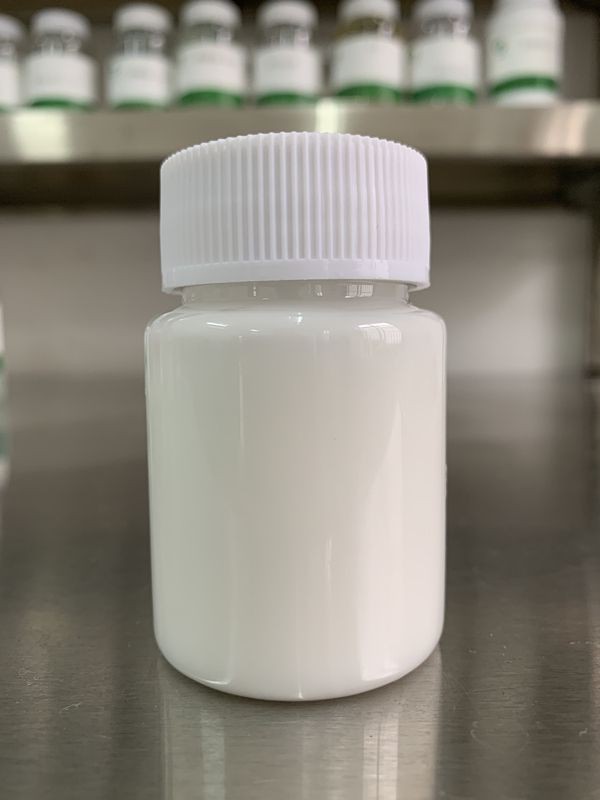
Now, let me introduce two of our popular defoaming agents. We have the Defoaming Agent Afm and the Defoaming Agent Pfm. These agents are specially formulated to work well in high - temperature environments like glass furnaces. They are highly effective at breaking down foam and have been tested in various glass manufacturing setups.
The Defoaming Agent Afm is a silicone - based defoamer. Silicone defoamers are known for their excellent foam - breaking properties and high temperature stability. It can quickly disperse in the molten glass and start working to eliminate foam. The Defoaming Agent Pfm, on the other hand, is an oil - based defoamer. Oil - based defoamers are great at preventing the re - formation of foam, ensuring that the glass remains bubble - free throughout the manufacturing process.
However, it's important to note that using defoaming agents in glass manufacturing also requires some careful consideration.
Compatibility: Not all defoaming agents are compatible with all types of glass. Different glasses have different chemical compositions and melting points. So, it's essential to choose a defoaming agent that is specifically designed for the type of glass you are producing. Otherwise, it could react with the glass components and cause other problems.
Dosage: The amount of defoaming agent used is also crucial. Using too little may not be enough to eliminate the foam, while using too much can lead to other issues like contamination of the glass or changes in its properties. Manufacturers need to conduct tests to determine the optimal dosage for their specific process.

Regulations: There are also regulations regarding the use of chemicals in glass manufacturing. Defoaming agents need to comply with these regulations to ensure the safety of the final glass products.
In conclusion, defoaming agents can definitely be used in glass manufacturing, and they offer a lot of benefits. They can improve the quality of the glass, increase production efficiency, and give manufacturers better control over the process. If you're in the glass manufacturing industry and struggling with foam issues, it might be worth considering using our defoaming agents.
If you're interested in learning more about our defoaming agents or want to discuss how they can be integrated into your glass manufacturing process, don't hesitate to reach out. We're here to help you find the best solution for your needs.
References
- "Handbook of Glass Manufacturing", John Wiley & Sons
- "Industrial Chemicals in Glass Production", Chemical Industry Press