

Can defoaming agents be used in jewelry manufacturing?
As a supplier of defoaming agents, I've often been asked about the applicability of our products in various industries. One question that has recently come up more frequently is whether defoaming agents can be used in jewelry manufacturing. In this blog post, I'll explore this topic in detail, looking at the potential uses, benefits, and considerations when using defoaming agents in the jewelry - making process.
The Jewelry Manufacturing Process and Foam Issues
Jewelry manufacturing involves a complex series of processes, including casting, polishing, plating, and finishing. Each of these steps can potentially encounter foam - related problems.
In the casting process, molten metal is poured into molds. If there are impurities or air entrapments in the molten metal, it can cause foaming. This foam can lead to porosity in the cast jewelry pieces, which weakens the structure and affects the overall quality. Additionally, during the polishing and plating stages, chemicals and solutions are used. These solutions can generate foam due to agitation, surface tension changes, or the presence of certain additives. Excessive foam can interfere with the proper application of polishing compounds or plating solutions, resulting in uneven surfaces, poor adhesion, and inconsistent finishes.
How Defoaming Agents Work
Defoaming agents are chemicals designed to reduce or eliminate foam. They work by breaking the surface tension of the liquid in which the foam is formed. When added to a foaming solution, defoaming agents spread quickly across the surface of the liquid. They displace the foaming agents that are responsible for stabilizing the foam bubbles. As a result, the foam bubbles rupture, and the foam collapses.
There are different types of defoaming agents, including silicone - based, mineral oil - based, and polyether - based defoamers. Each type has its own set of properties and is suitable for different applications. For example, silicone - based defoaming agents are known for their high efficiency and long - lasting foam control. They can work well in a wide range of temperatures and chemical environments. Mineral oil - based defoamers are often more cost - effective and are suitable for less demanding applications. Polyether - based defoamers are environmentally friendly and can be used in applications where low toxicity is required.
Potential Uses of Defoaming Agents in Jewelry Manufacturing
Casting
In the casting of jewelry, defoaming agents can be added to the molten metal or the mold release agents. By reducing the foam in the molten metal, the porosity of the cast pieces can be minimized. This leads to stronger and more durable jewelry items. A well - cast piece with fewer pores also has a better surface finish, which reduces the amount of post - casting polishing required.
Polishing
During the polishing process, defoaming agents can be added to the polishing solutions. Polishing solutions often contain surfactants that can cause foaming when agitated. Excessive foam can prevent the polishing compound from evenly contacting the jewelry surface. By using a defoaming agent, the foam is controlled, allowing for a more consistent and efficient polishing process. This results in a smoother and shinier finish on the jewelry.
Plating
Plating is a crucial step in jewelry manufacturing, as it gives the jewelry its desired color and appearance. Electroplating solutions, in particular, can generate a significant amount of foam due to the electrical current and the presence of additives. Foam in the plating bath can cause uneven deposition of the plating metal, leading to spots, streaks, or poor adhesion. Adding a defoaming agent to the plating solution can help maintain a stable bath, ensuring a uniform and high - quality plating finish.
Benefits of Using Defoaming Agents in Jewelry Manufacturing
Improved Quality
The most obvious benefit of using defoaming agents is the improvement in the quality of the jewelry. By reducing porosity in cast pieces, providing a smoother polish, and ensuring an even plating finish, the overall aesthetic and structural integrity of the jewelry are enhanced. This can lead to higher customer satisfaction and better market competitiveness.
Increased Efficiency
Foam can slow down the manufacturing process. For example, excessive foam in a polishing or plating bath may require the operator to stop the process to remove the foam. By using defoaming agents, the process can run more smoothly and continuously, reducing downtime and increasing productivity.
Cost Savings
Better - quality jewelry means fewer rejects and rework. This can result in significant cost savings in terms of materials, labor, and time. Additionally, the increased efficiency of the manufacturing process can also lead to lower production costs.
Considerations When Using Defoaming Agents in Jewelry Manufacturing
Compatibility
It is crucial to ensure that the defoaming agent is compatible with the materials and chemicals used in the jewelry manufacturing process. For example, some defoaming agents may react with certain plating solutions or polishing compounds, causing discoloration or other unwanted effects. Before using a defoaming agent, it is recommended to conduct small - scale tests to check for compatibility.

Dosage
The correct dosage of the defoaming agent is also important. Using too little defoaming agent may not effectively control the foam, while using too much can lead to other problems, such as the formation of residues on the jewelry surface. The optimal dosage depends on various factors, including the type of defoaming agent, the nature of the foaming solution, and the operating conditions.
Regulatory Compliance
In the jewelry industry, there are strict regulations regarding the use of chemicals. Defoaming agents must comply with relevant environmental, health, and safety regulations. It is essential to choose defoaming agents that meet these requirements to avoid any legal issues.
Our Defoaming Agent Products for Jewelry Manufacturing
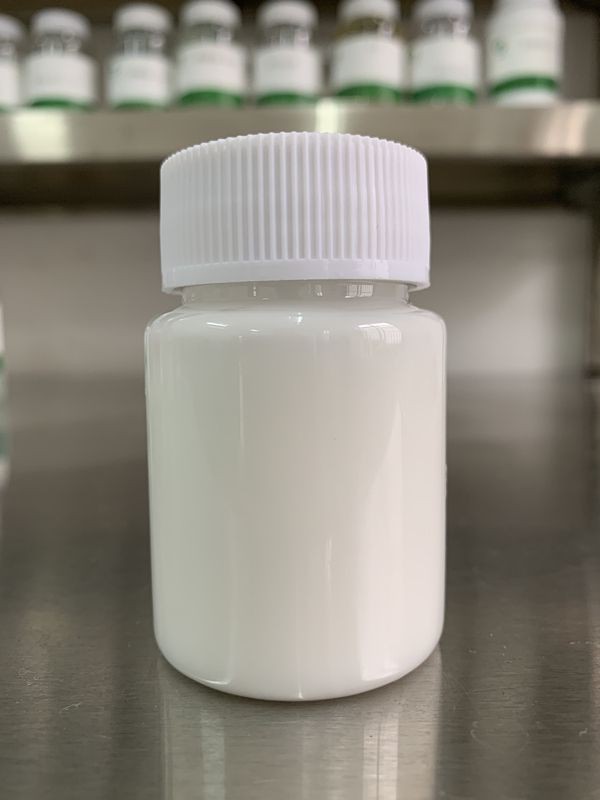
We offer a range of high - quality defoaming agents that are suitable for jewelry manufacturing. Our [Defoaming Agent Pfm](/dyeing - auxiliary/defoaming - agent/defoaming - agent - pfm.html) is a silicone - based defoamer that provides excellent foam control in a wide range of applications. It is highly efficient and can work effectively at different temperatures. Our [Defoaming Agent Afm](/dyeing - auxiliary/defoaming - agent/defoaming - agent - afm.html) is a polyether - based defoamer, which is environmentally friendly and has low toxicity, making it a great choice for applications where safety is a concern.
Conclusion
In conclusion, defoaming agents can indeed be used in jewelry manufacturing, and they offer significant benefits in terms of quality improvement, efficiency increase, and cost savings. However, careful consideration must be given to compatibility, dosage, and regulatory compliance. As a defoaming agent supplier, we are committed to providing high - quality products and professional advice to help jewelry manufacturers solve their foam - related problems.
If you are involved in jewelry manufacturing and are facing foam issues, we invite you to contact us for more information about our defoaming agents. Our team of experts can provide you with detailed product specifications, application guidelines, and technical support. Let's work together to enhance the quality and efficiency of your jewelry manufacturing process.
References
- ASTM International. "Standard Terminology Relating to Metals, Ores, and Related Materials." ASTM E135 - 19.
- "Surface Engineering for Wear and Corrosion Resistance." Edited by R. Arul Kumar and A. K. Singh. Woodhead Publishing, 2018.
- "The Chemistry of Metal Plating." By Paul G. Sheasby and Mordechay Pinner. Wiley - Interscience, 2008.