

The dairy industry is a complex and highly regulated sector that requires strict adherence to quality and safety standards. One common challenge in dairy processing is the formation of foam, which can lead to various issues such as reduced processing efficiency, product loss, and potential contamination risks. As a defoaming agent supplier, I often receive inquiries about whether defoaming agents can be used in the dairy industry. In this blog post, I will delve into this topic and provide a comprehensive analysis of the use of defoaming agents in dairy processing.
Understanding Foam Formation in the Dairy Industry
Foam is a dispersion of gas bubbles in a liquid, and it can form in various stages of dairy processing. During milk collection, transportation, and storage, agitation can introduce air into the milk, leading to foam formation. In addition, processes such as homogenization, pasteurization, fermentation, and evaporation can also generate foam due to the presence of proteins, fats, and other surface - active substances in milk.
Excessive foam can have several negative impacts on dairy processing. For example, in large - scale processing equipment, foam can cause overflow, leading to product loss and potential damage to the equipment. Foam can also interfere with heat transfer during pasteurization and evaporation processes, reducing energy efficiency and increasing processing time. Moreover, foam can trap microorganisms, increasing the risk of product contamination and spoilage.
Can Defoaming Agents Be Used in the Dairy Industry?
The short answer is yes, defoaming agents can be used in the dairy industry, but with strict compliance to relevant regulations and standards. Defoaming agents are substances that are added to liquids to reduce or eliminate foam. They work by reducing the surface tension of the liquid, causing the foam bubbles to collapse.
There are several types of defoaming agents available, including silicone - based, oil - based, and powder - based defoaming agents. When selecting a defoaming agent for the dairy industry, it is crucial to choose a product that is safe for human consumption, does not affect the taste, odor, or nutritional value of the dairy products, and is approved by relevant regulatory authorities.
Regulatory Considerations
In many countries, the use of defoaming agents in the dairy industry is regulated by food safety authorities. For example, in the United States, the Food and Drug Administration (FDA) has established a list of substances that are Generally Recognized As Safe (GRAS) for use in food products. Defoaming agents must meet the criteria of this list to be used legally in dairy processing.
In the European Union, the use of food additives, including defoaming agents, is regulated by the EU Food Additives Regulation. Defoaming agents must have an E - number assigned to them, indicating that they have been approved for use in food products within the EU.
It is essential for dairy processors and defoaming agent suppliers to stay updated on the latest regulatory requirements to ensure compliance. As a defoaming agent supplier, we ensure that all our products meet the relevant regulations in different regions, providing our customers with peace of mind when using our defoaming agents in their dairy processing operations.

Types of Defoaming Agents Suitable for the Dairy Industry
Silicone - Based Defoaming Agents
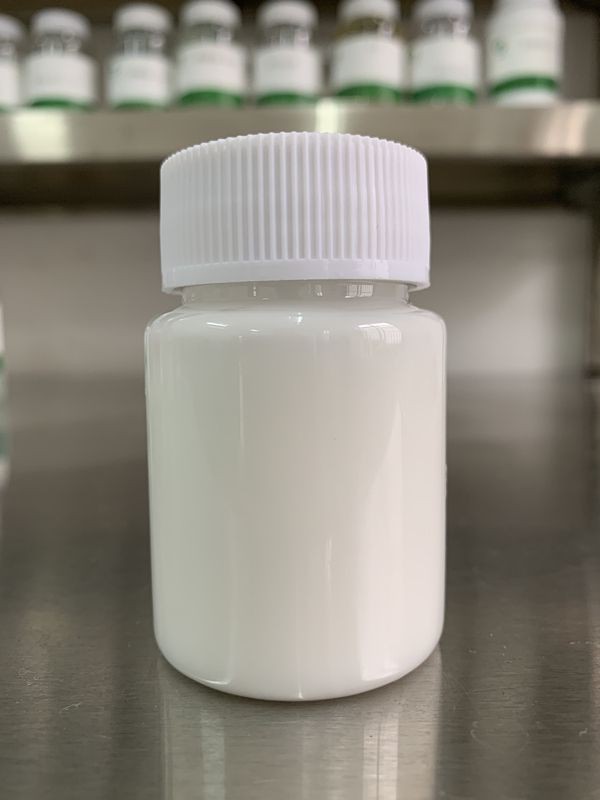
Silicone - based defoaming agents are widely used in the dairy industry due to their excellent defoaming performance and high temperature resistance. They can quickly break down foam and prevent its re - formation. Silicone defoamers are also relatively stable under different processing conditions, making them suitable for various dairy processing steps such as pasteurization and evaporation. For example, Defoaming Agent Afm is a type of silicone - based defoaming agent that has been specifically formulated for industrial applications, including the dairy industry. It can effectively control foam without leaving any noticeable taste or odor in the dairy products.
Oil - Based Defoaming Agents
Oil - based defoaming agents are another option for the dairy industry. They are typically made from natural or synthetic oils and can be used to break down foam by spreading over the surface of the liquid and disrupting the foam structure. Oil - based defoamers are often used in applications where they need to be easily dispersed in the liquid. Defoaming Agent Pfm is an example of an oil - based defoaming agent that can be considered for dairy processing. It has good compatibility with dairy products and can provide long - lasting defoaming effects.
Powder - Based Defoaming Agents
Powder - based defoaming agents are convenient to use, especially in dry dairy products or in processes where a liquid defoamer is not suitable. They can be easily mixed with dry ingredients and can quickly reduce foam during the re - constitution or processing of dry dairy products.
Benefits of Using Defoaming Agents in the Dairy Industry
- Increased Processing Efficiency: By eliminating foam, defoaming agents can prevent overflow in processing equipment, ensuring smooth operation and reducing downtime for cleaning and maintenance. This leads to increased productivity and lower production costs.
- Improved Product Quality: Defoaming agents can help to maintain the consistency and quality of dairy products. By preventing foam from interfering with heat transfer and other processing steps, they ensure that the products are processed evenly and have a more stable texture and flavor.
- Reduced Contamination Risks: As foam can trap microorganisms, reducing foam levels can lower the risk of product contamination. This helps dairy processors to meet strict food safety standards and reduces the likelihood of product recalls.
Challenges and Considerations
While defoaming agents offer many benefits in the dairy industry, there are also some challenges and considerations. One of the main challenges is finding the right dosage of the defoaming agent. Using too little defoaming agent may not effectively control foam, while using too much can lead to potential issues such as off - flavors, changes in product appearance, and increased costs.
Another consideration is the compatibility of the defoaming agent with other ingredients in the dairy products. Dairy products are complex mixtures of proteins, fats, carbohydrates, and other components, and the defoaming agent must not interact negatively with these ingredients.
How to Select the Right Defoaming Agent
When selecting a defoaming agent for the dairy industry, several factors should be considered:
- Regulatory Compliance: Ensure that the defoaming agent is approved for use in food products by relevant regulatory authorities.
- Defoaming Performance: Choose a defoaming agent that can effectively reduce foam in a short time and prevent its re - formation under the specific processing conditions.
- Compatibility: The defoaming agent should be compatible with the dairy products and not affect their taste, odor, or nutritional value.
- Cost - Effectiveness: Consider the cost of the defoaming agent in relation to its performance and the overall production costs.
As a defoaming agent supplier, we have a team of experts who can provide customized advice and solutions based on the specific needs of dairy processors. We can carry out tests to determine the most suitable defoaming agent and dosage for different dairy products and processing conditions.
Conclusion
In conclusion, defoaming agents can be safely and effectively used in the dairy industry to address the challenges of foam formation. However, it is crucial to choose the right defoaming agent, comply with relevant regulations, and ensure proper dosage and compatibility.
If you are a dairy processor looking for a reliable defoaming agent supplier, we are here to help. We offer a wide range of high - quality defoaming agents that are specifically designed for the dairy industry. Our products are backed by extensive research and development, and we are committed to providing excellent customer service. Contact us for more information and to discuss your specific requirements. You can start the procurement negotiation process with us to find the best defoaming solution for your dairy processing operations.
References
- "Food Additives: A Comprehensive Guide", John Wiley & Sons
- "Dairy Processing Handbook", Tetra Pak
- Regulations on Food Additives by the FDA and EU Food Additives Regulation