

Can defoaming agents be used in wastewater treatment?
Wastewater treatment is a crucial process in various industries and municipalities, aiming to remove contaminants and pollutants from water before its safe discharge or reuse. One common issue encountered during wastewater treatment is the formation of excessive foam. Foam can disrupt the treatment process, reduce the efficiency of equipment, and even lead to environmental problems if not properly managed. This is where defoaming agents come into play. As a defoaming agent supplier, I am often asked whether defoaming agents can be used in wastewater treatment. The answer is a resounding yes, and in this blog post, I will delve into the details of how and why defoaming agents are an essential tool in wastewater treatment.
The Problem of Foam in Wastewater Treatment
Foam in wastewater can be caused by a variety of factors. Organic substances such as fats, oils, and greases (FOG) can create a stable foam layer on the surface of the wastewater. Surfactants, which are commonly used in industrial processes and household products, can also contribute to foam formation. In addition, biological activity in the wastewater treatment system, such as the growth of microorganisms, can produce gases and surfactants that lead to foam.
Excessive foam can have several negative impacts on the wastewater treatment process. Firstly, it can reduce the effective volume of the treatment tanks, as the foam takes up space that could otherwise be used for the treatment of wastewater. This can lead to a decrease in the treatment capacity of the system. Secondly, foam can interfere with the operation of equipment such as pumps, aerators, and clarifiers. The foam can cause clogging, reduce the efficiency of the equipment, and even lead to mechanical failures. Thirdly, foam can carry pollutants and contaminants out of the treatment system, posing a risk to the environment.
How Defoaming Agents Work
Defoaming agents, also known as antifoams, are chemicals that are designed to reduce or eliminate foam. They work by breaking the surface tension of the foam bubbles, causing them to collapse. There are two main types of defoaming agents: silicone-based and non-silicone-based.
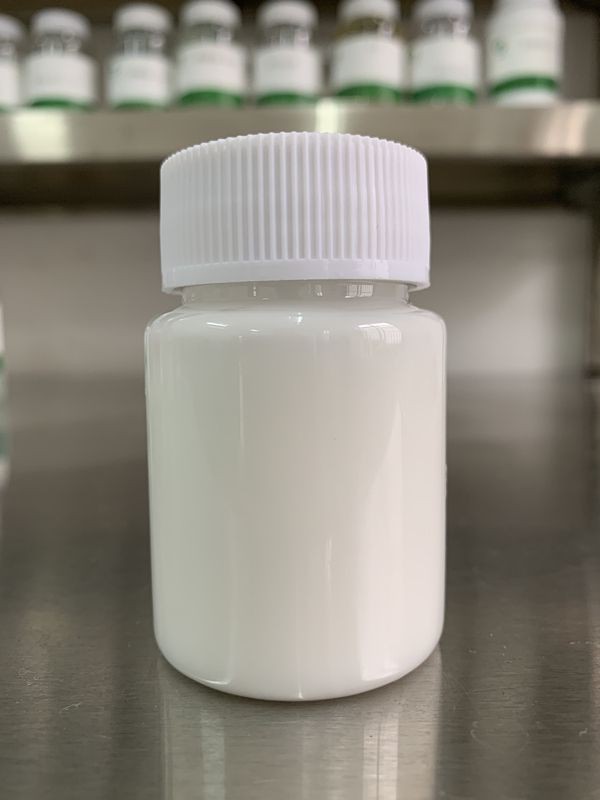

Silicone-based defoaming agents are widely used in wastewater treatment due to their excellent defoaming performance and stability. They are effective at breaking down foam quickly and can prevent the reformation of foam for an extended period. Silicone defoaming agents are also resistant to high temperatures and harsh chemical environments, making them suitable for use in a variety of wastewater treatment processes.
Non-silicone-based defoaming agents, on the other hand, are often used in applications where silicone is not suitable, such as in food and beverage processing or in some pharmaceutical applications. They are typically made from natural or synthetic oils, waxes, or polymers. Non-silicone defoaming agents can also be effective at reducing foam, but they may have a shorter defoaming duration compared to silicone-based agents.
Benefits of Using Defoaming Agents in Wastewater Treatment
The use of defoaming agents in wastewater treatment offers several benefits. Firstly, it can improve the efficiency of the treatment process. By reducing the foam, the effective volume of the treatment tanks can be increased, allowing for more wastewater to be treated. This can lead to a higher treatment capacity and a more cost-effective operation. Secondly, defoaming agents can protect the equipment in the treatment system. By preventing foam from clogging and damaging the equipment, the lifespan of the equipment can be extended, and the maintenance costs can be reduced. Thirdly, defoaming agents can help to ensure the environmental compliance of the wastewater treatment system. By preventing the carryover of pollutants and contaminants in the foam, the risk of environmental pollution can be minimized.
Applications of Defoaming Agents in Wastewater Treatment
Defoaming agents are used in various stages of the wastewater treatment process. In the primary treatment stage, defoaming agents can be added to the influent wastewater to reduce the foam formed during the initial mixing and settling process. This can improve the efficiency of the primary clarifiers and prevent the overflow of foam from the tanks.
In the secondary treatment stage, which involves biological processes such as activated sludge treatment, defoaming agents can be used to control the foam generated by the microorganisms. The foam can interfere with the aeration process and reduce the oxygen transfer efficiency, which is essential for the growth and activity of the microorganisms. By adding defoaming agents, the foam can be controlled, and the aeration efficiency can be improved.
In the tertiary treatment stage, defoaming agents can be used to remove any remaining foam before the treated wastewater is discharged or reused. This can ensure that the final effluent meets the required quality standards and does not cause any environmental problems.
Our Defoaming Agent Products
As a defoaming agent supplier, we offer a range of high-quality defoaming agents suitable for wastewater treatment. Our Defoaming Agent Pfm is a silicone-based defoaming agent that is highly effective at breaking down foam quickly and preventing its reformation. It is suitable for use in a wide range of wastewater treatment processes, including industrial wastewater treatment, municipal wastewater treatment, and food and beverage wastewater treatment.
Our Defoaming Agent Afm is a non-silicone-based defoaming agent that is ideal for applications where silicone is not allowed. It is made from natural and synthetic polymers and offers excellent defoaming performance in various wastewater treatment applications.
Contact Us for Procurement
If you are looking for a reliable defoaming agent supplier for your wastewater treatment needs, we would be happy to assist you. Our team of experts can provide you with technical support and advice on the selection and use of defoaming agents. We can also offer customized solutions to meet your specific requirements.
Contact us today to discuss your procurement needs and to learn more about our defoaming agent products. We look forward to working with you to solve your foam problems in wastewater treatment.
References
- "Wastewater Treatment: Principles and Design" by Metcalf & Eddy
- "Defoaming Agents: Chemistry and Applications" by John W. Ross
- "Foam Control in Industrial Processes" by Robert H. Schuster