

As a supplier of chelating dispersants, I've witnessed firsthand the transformative impact these substances have on the cosmetic industry. Chelating dispersants are not just another ingredient; they are the unsung heroes that ensure the quality, stability, and efficacy of cosmetics. In this blog, I'll delve into the science behind how chelating dispersants enhance the stability of cosmetics, and why they are a must - have for any cosmetic formulation.
The Basics of Chelating Dispersants
Chelating dispersants are compounds that can form complexes with metal ions. They have two main functions: chelation and dispersion. Chelation involves binding to metal ions, such as calcium, magnesium, iron, and copper, through coordinate covalent bonds. This process effectively "traps" the metal ions, preventing them from participating in chemical reactions that could degrade the cosmetic product. Dispersion, on the other hand, refers to the ability of these agents to break down and distribute particles evenly throughout a liquid medium, preventing agglomeration and sedimentation.
Metal Ion Contamination in Cosmetics
Metal ions can find their way into cosmetic products from various sources. Raw materials, such as water, oils, and pigments, may contain trace amounts of metal ions. The manufacturing process can also introduce metal contaminants, for example, from the equipment used. Even the packaging materials can leach metal ions over time. These metal ions can have detrimental effects on the stability of cosmetics.
Oxidation Reactions
Metal ions, especially transition metals like iron and copper, are excellent catalysts for oxidation reactions. Oxidation can cause the degradation of oils and fats in cosmetics, leading to the formation of rancid odors, changes in color, and a decrease in the product's shelf - life. For instance, unsaturated fatty acids in natural oils are prone to oxidation in the presence of metal ions, resulting in the formation of peroxides and aldehydes. These oxidation products can not only affect the sensory properties of the cosmetic but also cause skin irritation.
pH Changes
Metal ions can react with other components in the cosmetic formulation, leading to changes in pH. For example, metal hydroxides may form when metal ions react with hydroxide ions in the product. These pH changes can affect the solubility and stability of other ingredients, such as emulsifiers and preservatives. A shift in pH can cause emulsions to break, leading to phase separation, or it can reduce the effectiveness of preservatives, increasing the risk of microbial growth.
Precipitation and Agglomeration
Metal ions can react with anionic or cationic ingredients in cosmetics, forming insoluble salts or complexes. These precipitates can settle at the bottom of the container, causing the product to appear cloudy or uneven. Agglomeration of particles can also occur, leading to a gritty texture and reduced product performance.
How Chelating Dispersants Counteract Metal Ion Effects
Chelation
Chelating dispersants have specific functional groups, such as carboxyl, hydroxyl, and amino groups, that can form multiple bonds with metal ions. When a chelating dispersant binds to a metal ion, it forms a stable complex called a chelate. This chelation process effectively removes the metal ion from the reaction environment, preventing it from participating in oxidation, pH - altering, or precipitation reactions.
For example, ethylenediaminetetraacetic acid (EDTA) is a widely used chelating agent in cosmetics. EDTA has four carboxyl groups that can bind to a metal ion in a claw - like manner, forming a stable 1:1 complex with most metal ions. By sequestering metal ions, EDTA helps to prevent oxidation of oils, maintain the pH stability of the product, and reduce the formation of precipitates.
Dispersion
Chelating dispersants can also act as dispersing agents. They adsorb onto the surface of particles, such as pigments or solid additives, in the cosmetic formulation. The adsorbed chelating dispersant molecules create a repulsive force between the particles, preventing them from coming together and agglomerating. This results in a more uniform distribution of particles throughout the product, improving its appearance and performance.
For instance, in a makeup product containing pigment particles, a chelating dispersant can ensure that the pigments are evenly dispersed, providing a smooth and consistent color payoff. In a suspension - based cosmetic, such as a lotion with insoluble particles, the dispersing action of the chelating agent helps to keep the particles in suspension, preventing sedimentation.
Enhancing Emulsion Stability
Emulsions are a common type of cosmetic formulation, consisting of two immiscible liquids, usually oil and water, stabilized by an emulsifier. Chelating dispersants play an important role in maintaining the stability of emulsions.
Preventing Emulsion Breakdown
Metal ions can interfere with the function of emulsifiers. They can react with the polar head groups of emulsifiers, reducing their ability to form a stable interfacial film between the oil and water phases. Chelating dispersants prevent this by sequestering the metal ions, allowing the emulsifier to function properly. This helps to maintain the integrity of the emulsion, preventing phase separation and ensuring a smooth and homogeneous product.
Improving Rheological Properties
Chelating dispersants can also influence the rheological properties of emulsions. By preventing the agglomeration of particles and maintaining a uniform distribution of ingredients, they can affect the viscosity and flow behavior of the emulsion. This can lead to a more pleasant sensory experience for the consumer, as the product is easier to spread and apply.
Impact on Preservative Efficacy
Preservatives are essential in cosmetics to prevent microbial growth and ensure product safety. However, metal ions can reduce the effectiveness of preservatives. For example, metal ions can react with some preservatives, forming complexes that are less active against microorganisms.
Chelating dispersants help to maintain the efficacy of preservatives by removing the metal ions from the reaction environment. This ensures that the preservatives can function at their optimal level, providing long - term protection against microbial contamination. As a result, the cosmetic product can have a longer shelf - life and remain safe for use.
Choosing the Right Chelating Dispersant
When formulating cosmetics, it's important to choose the right chelating dispersant. Factors to consider include the type of metal ions present in the formulation, the pH of the product, and the compatibility with other ingredients.
There are different types of chelating dispersants available in the market. Some chelating dispersants are more effective against certain metal ions than others. For example, citric acid is a natural chelating agent that is effective against calcium and magnesium ions, while EDTA has a broader spectrum of activity and can chelate a wide range of metal ions.
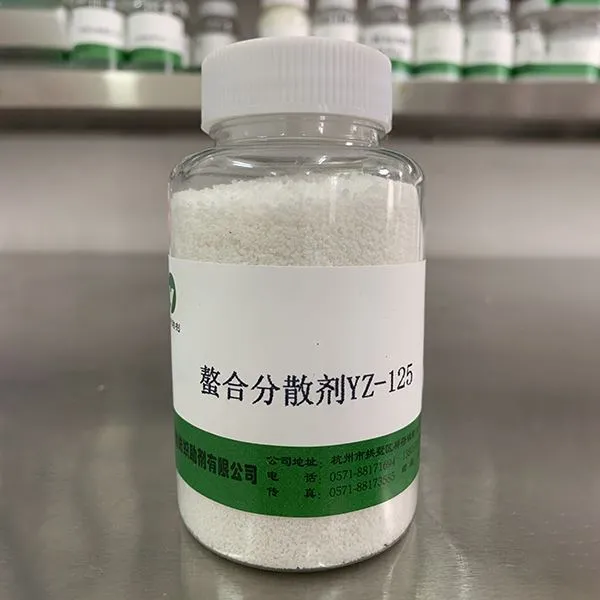
If you are looking for a phosphorus - free option, you can explore our Phosphorus Free Chelating Dispersant. It offers excellent chelating and dispersing properties without the use of phosphorus, which is beneficial for environmentally - conscious formulations. For general chelating and dispersing needs, our Chelating Disperse Agent is a reliable choice that can enhance the stability of various cosmetic formulations.
Conclusion
Chelating dispersants are crucial for enhancing the stability of cosmetics. They protect the product from the harmful effects of metal ions, including oxidation, pH changes, precipitation, and microbial contamination. By choosing the right chelating dispersant, cosmetic formulators can develop products with better sensory properties, longer shelf - lives, and improved safety.

If you are in the cosmetic industry and are interested in improving the stability of your products, we invite you to contact us for more information about our chelating dispersants. Our team of experts can help you select the most suitable product for your specific formulation needs. Let's work together to create high - quality, stable cosmetics that meet the expectations of consumers.
References
- Cosmetics Science and Technology, Third Edition, edited by Marcel Dekker.
- Handbook of Cosmetic Science and Technology, Second Edition, edited by Barry W. Barry and Marianna Hadgraft.
- "Metal Ions in Cosmetics: Sources, Effects, and Control" - Journal of Cosmetic Science.