

How do Defoaming Agents Work in the Construction Industry?
As a well - experienced supplier of defoaming agents, I've witnessed firsthand the crucial role these products play in the construction industry. In this article, I'll delve into how defoaming agents work, their applications, and why they are indispensable in construction projects.
The Basics of Foam Formation in Construction
Before understanding how defoaming agents work, it's essential to know why foam forms in construction processes. Foam can occur during various construction activities, such as mixing of concrete, mortar, or other cement - based materials. Air gets incorporated into the mixture during the agitation process. For instance, when cement is mixed with water and aggregates, the mechanical action of the mixer entraps air, which can lead to the formation of bubbles.

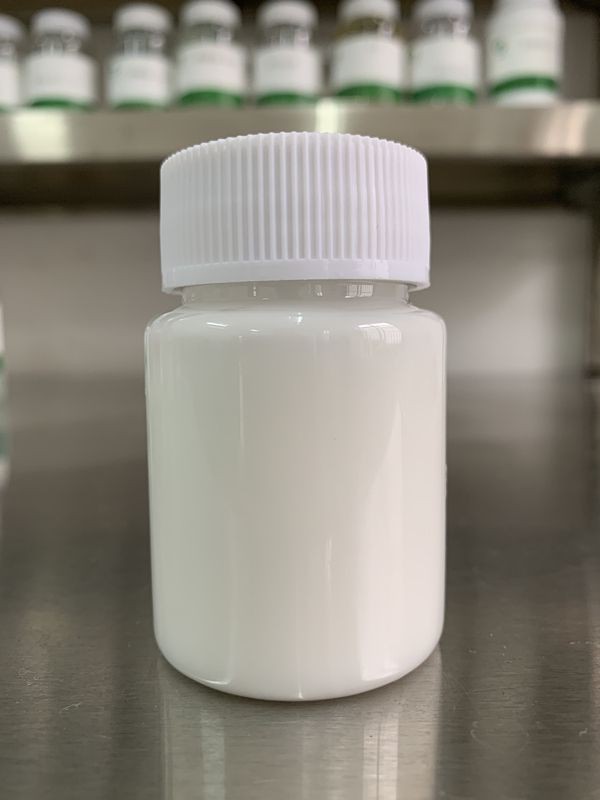
Moreover, some additives and chemicals used in construction can also contribute to foam formation. Surfactants, which are commonly added to improve workability, can lower the surface tension of the liquid phase, making it easier for air to be trapped and stabilized as bubbles. In addition, environmental factors like high - speed mixing, the presence of debris, or even the temperature and humidity can affect the rate and extent of foam generation.
How Defoaming Agents Function
Defoaming agents essentially operate by disrupting the surface tension and stability of the foam. When a defoaming agent is added to a foaming system, it acts in multiple ways:
Spreading and Penetration
Defoaming agents have a lower surface tension compared to the foaming medium. When they are introduced into the system, they quickly spread across the surface of the foam bubbles. The molecules of the defoaming agent penetrate the thin liquid film that surrounds the air bubbles. This penetration weakens the integrity of the film and makes it more susceptible to rupture.
Coalescence Promotion
Once the defoaming agent has penetrated the bubble film, it promotes the coalescence of smaller bubbles into larger ones. Larger bubbles are less stable and more likely to rise to the surface of the liquid and burst. The defoaming agent facilitates the merging of adjacent bubbles by reducing the repulsive forces between them. By doing so, it accelerates the process of foam collapse.
Viscosity Modification
Some defoaming agents can also modify the viscosity of the foaming medium. By changing the viscosity, they can prevent the formation of a stable foam structure. A more viscous medium makes it difficult for air bubbles to remain dispersed and stable, leading to a quicker breakdown of the foam.
Types of Defoaming Agents Used in Construction and Their Mechanisms
There are several types of defoaming agents commonly used in the construction industry, each with its own working mechanism.
Silicone - based Defoaming Agents
Silicone - based defoaming agents are very popular in construction. They consist of silicone oils and silica particles. The silicone oil has a low surface tension and spreads rapidly across the foam surface. The silica particles act as nuclei, aiding in the penetration and rupture of the bubble film. Silicone defoamers are effective at breaking down both wet and dry foams. They are also resistant to high temperatures, which makes them suitable for applications where the construction materials may be subjected to heat, such as in pre - cast concrete production.
Mineral Oil - based Defoaming Agents
Mineral oil - based defoaming agents work by spreading across the surface of the foam and displacing the surfactants that stabilize the bubbles. The oil forms a thin layer on the bubble film, reducing its elasticity and causing it to break. Mineral oil defoamers are often used in less demanding construction applications where cost - effectiveness is a major consideration. They are generally good at controlling foam in water - based systems.
Polyether - based Defoaming Agents
Polyether - based defoaming agents have a unique molecular structure that allows them to interact with the foam bubbles. They can adsorb onto the surface of the bubbles and disrupt the surface tension. Polyether defoamers are known for their good compatibility with a wide range of construction materials and additives. They can be used in both cement - based and gypsum - based products.
Applications of Defoaming Agents in Construction
Defoaming agents find numerous applications in the construction industry:
Concrete Production
In concrete production, excessive foam can have a negative impact on the quality of the final product. Foam can reduce the density of the concrete, leading to lower strength and durability. Defoaming agents are added to the concrete mix to prevent the formation of large air voids. This ensures that the concrete has the desired compressive strength and workability. They are especially important in high - performance concrete applications where tight control over the air content is required.
Mortar Mixing
Mortar, which is used for bricklaying, plastering, and tile bonding, can also foam during mixing. The presence of foam in mortar can make it difficult to apply and can affect the bond strength between the mortar and the building materials. Defoaming agents help to create a smooth, bubble - free mortar that can be easily spread and provides a strong bond.
Waterproofing Coatings
Waterproofing coatings are applied to protect buildings from water damage. Foam in these coatings can create weak spots and reduce their effectiveness. Defoaming agents are used to ensure that the waterproofing coatings are free of bubbles, providing a seamless and durable protective layer.
Our Defoaming Agent Products: Defoaming Agent Pfm and Defoaming Agent Afm
As a leading supplier, we offer high - quality defoaming agents, including Defoaming Agent Pfm and Defoaming Agent Afm. These products are formulated to meet the specific needs of the construction industry.
Defoaming Agent Pfm is a silicone - based defoamer that provides rapid defoaming action. It can effectively break down foam in high - temperature concrete production processes. Its advanced formula ensures long - lasting foam control, even in the most challenging construction environments.
Defoaming Agent Afm, on the other hand, is a polyether - based defoaming agent. It offers excellent compatibility with various construction additives and can be used in a wide range of cement - based and gypsum - based products. It helps to create a smooth and bubble - free finish, improving the overall quality of the construction materials.
Why Choose Our Defoaming Agents
When it comes to choosing defoaming agents for your construction projects, our products stand out for several reasons. Firstly, our defoaming agents are developed using state - of - the - art technology and high - quality raw materials. This ensures their effectiveness and reliability in controlling foam.
Secondly, we offer customized solutions. We understand that different construction projects have different requirements, and we are able to tailor our defoaming agents to meet the specific needs of our customers. Whether you need a defoamer for a large - scale concrete project or a small - scale mortar application, we can provide the right product.
Thirdly, we have a team of experienced technical experts who can provide on - site support and advice. They can help you determine the appropriate dosage of the defoaming agent and ensure that it is used correctly in your construction processes.
Conclusion and Call to Action
In conclusion, defoaming agents play a vital role in the construction industry by preventing foam formation and ensuring the quality of construction materials. Our Defoaming Agent Pfm and Defoaming Agent Afm are top - notch products that can meet your defoaming needs in construction.
If you are involved in construction projects and are looking for high - quality defoaming agents, don't hesitate to get in touch with us. We are ready to discuss your requirements and provide you with the best solutions for your projects. Let's work together to build a better and more efficient construction world.
References
- Asad, M., & Usmani, A. M. (2018). An overview of defoaming agents for construction materials. Construction and Building Materials, 172, 468 - 477.
- Pigeon, M., & Marchand, J. (2006). Influence of defoaming agents on the properties of cementitious mortars. Cement and Concrete Research, 36(12), 2204 - 2211.
- Wang, Y., & Zhang, H. (2015). Study on the defoaming mechanism and application of defoaming agents in concrete. Journal of Building Materials, 18(1), 123 - 130.