

Selecting the right pretreatment auxiliary for a specific process is a critical decision that can significantly impact the quality, efficiency, and cost-effectiveness of your operations. As a leading supplier of pretreatment auxiliaries, I understand the complexities involved in this choice and am here to guide you through the process.
Understanding Pretreatment Auxiliaries
Pretreatment auxiliaries are chemical substances used in various industries, such as textiles, paper, and leather, to prepare materials before the main processing steps. They play a crucial role in improving the performance of subsequent processes, enhancing the quality of the final product, and reducing production costs. These auxiliaries can perform a wide range of functions, including cleaning, degreasing, desizing, scouring, bleaching, and softening.
Factors to Consider When Choosing Pretreatment Auxiliaries
1. Nature of the Material
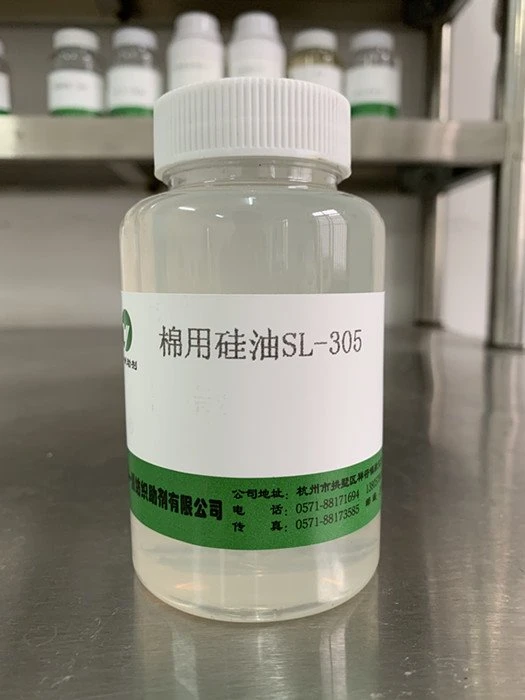
The type of material you are working with is one of the most important factors to consider when selecting a pretreatment auxiliary. Different materials have different chemical and physical properties, which require specific types of auxiliaries for optimal pretreatment. For example, natural fibers like cotton and wool have different surface characteristics and chemical compositions compared to synthetic fibers like polyester and nylon. Therefore, the pretreatment auxiliaries used for cotton may not be suitable for polyester. As a supplier, I offer a wide range of auxiliaries tailored to different materials, such as Silicone Oil for Cotton, which is specifically designed to enhance the softness and smoothness of cotton fabrics.

2. Process Requirements
The specific requirements of your pretreatment process also play a significant role in auxiliary selection. Consider factors such as the temperature, pH level, and processing time of your process. Some auxiliaries are more effective at certain temperatures or pH ranges, while others may require longer processing times to achieve the desired results. For instance, if your process involves high-temperature treatment, you need an auxiliary that can withstand such conditions without losing its effectiveness. Additionally, the type of equipment you use in your process can also influence your choice of auxiliary. Some auxiliaries are formulated to work well with specific types of equipment, ensuring efficient and uniform pretreatment.
3. Desired End Results
The final properties you want to achieve in your product are another crucial consideration. Are you looking to improve the softness, whiteness, absorbency, or strength of your material? Different auxiliaries have different functions and can help you achieve specific end results. For example, if you want to enhance the softness of towels, Towel Softener TS - 5 is an excellent choice. It can provide a luxurious soft feel to towels while maintaining their absorbency. On the other hand, if you need to improve the strength and durability of your fabric, you may need a different type of auxiliary.
4. Environmental and Safety Considerations
In today's environmentally conscious world, it is essential to consider the environmental and safety impact of the pretreatment auxiliaries you choose. Look for auxiliaries that are biodegradable, non-toxic, and free from harmful chemicals. These not only help protect the environment but also ensure the safety of your workers and the end-users of your products. As a responsible supplier, I offer a range of eco-friendly pretreatment auxiliaries that meet the highest environmental and safety standards.
5. Cost-Effectiveness
Cost is always a factor in any business decision. While it is important to choose high-quality auxiliaries, you also need to consider the cost in relation to the benefits they provide. Compare the prices of different auxiliaries and evaluate their performance and efficiency. Sometimes, a slightly more expensive auxiliary may offer better results and long-term savings in terms of reduced processing time, improved product quality, and lower waste generation. For example, Non - ionic Softener Flakes may seem more expensive upfront, but their high efficiency and long-lasting effects can make them a cost-effective choice in the long run.
Our Expertise and Support
As a pretreatment auxiliary supplier, I have extensive experience and expertise in the industry. Our team of technical experts can provide you with in-depth knowledge and guidance on choosing the right auxiliaries for your specific process. We offer customized solutions based on your unique requirements, ensuring that you get the best results for your operations.
We understand that every customer's situation is different, and we are committed to providing personalized service. Whether you are a small-scale manufacturer or a large industrial enterprise, we can work with you to develop a pretreatment strategy that meets your needs and budget.
Conclusion
Choosing the right pretreatment auxiliary for a specific process is a complex but crucial decision. By considering factors such as the nature of the material, process requirements, desired end results, environmental and safety considerations, and cost-effectiveness, you can make an informed choice. As a reliable supplier, I am dedicated to helping you find the perfect auxiliaries for your needs. If you are interested in learning more about our products or need assistance in selecting the right pretreatment auxiliaries, please do not hesitate to contact us for procurement discussions. We look forward to working with you to enhance the quality and efficiency of your pretreatment processes.
References
- Textile Chemicals: Principles and Applications, by Dr. B. C. Gupta
- Handbook of Textile and Industrial Dyeing, edited by M. Clark
- Environmental Aspects of Textile Chemicals, by R. A. Blackburn