

Hey there! As a supplier of Tear Strength Improver, I've been getting a lot of questions lately about how to measure the improvement in tear strength after using our product. So, I thought I'd put together this blog post to share some insights and tips.
First off, let's talk about what tear strength is. Tear strength refers to the ability of a material to resist tearing when a force is applied. This is a crucial property in many industries, such as textiles, paper, and plastics. A higher tear strength means the material is more durable and less likely to tear under normal use.
Now, why would you want to use a Tear Strength Improver? Well, there are several reasons. Maybe you're looking to enhance the quality of your products, make them more resistant to wear and tear, or meet specific industry standards. Whatever the reason, our Tear Strength Improver can help you achieve that. You can learn more about it Tear Strength Improver.
So, how do you measure the improvement in tear strength after using our Tear Strength Improver? Here are some methods and steps you can follow:
1. Before - After Testing
The most straightforward way is to conduct a before - after test. Take a sample of the material you're working with before applying the Tear Strength Improver. Measure its tear strength using a standard testing method. There are different testing methods available, but one of the most common ones is the Elmendorf tear test.
In the Elmendorf tear test, a pendulum is used to tear a pre - notched sample of the material. The energy required to tear the sample is measured, and this value is used to calculate the tear strength. You can find detailed information about this test in ASTM D1424 (for textiles) or ISO 1974 (for paper).
After applying the Tear Strength Improver to the material and allowing it to dry or cure properly, take another sample from the same batch and repeat the tear strength test. Compare the tear strength values of the before and after samples. The difference between these two values will give you an idea of how much the tear strength has improved.
2. Multiple Samples and Averaging
To get more accurate results, it's a good idea to test multiple samples. Take at least three to five samples from different parts of the material batch before and after treatment. Calculate the average tear strength for each group (before and after). This will help reduce the impact of any variations in the material itself.
For example, if you're testing a roll of fabric, take samples from the beginning, middle, and end of the roll. This way, you can account for any possible differences in the fabric's properties along the roll.
3. Consider the Type of Material
Different materials may respond differently to the Tear Strength Improver. For instance, the improvement in tear strength may be more significant in some types of textiles compared to others. Synthetic fabrics might show a different level of improvement than natural fibers like cotton or wool.
When measuring the improvement, keep in mind the specific characteristics of the material. Some materials may require a different application method or a different concentration of the Tear Strength Improver to achieve the best results. You may need to adjust your testing approach accordingly.
4. Other Factors to Consider
There are also other factors that can affect the tear strength measurement. For example, the humidity and temperature during the testing process can have an impact. Make sure to conduct the tests in a controlled environment to minimize these effects.
Also, the way the Tear Strength Improver is applied matters. If it's not applied evenly, it can lead to inconsistent results. Follow the recommended application instructions carefully to ensure uniform coverage of the material.
5. Comparing with Competitor Products
If you're interested in seeing how our Tear Strength Improver stacks up against other products on the market, you can conduct a comparative test. Take samples of the same material and treat them with our product and a competitor's product. Then, measure the tear strength of all the samples using the same testing method.
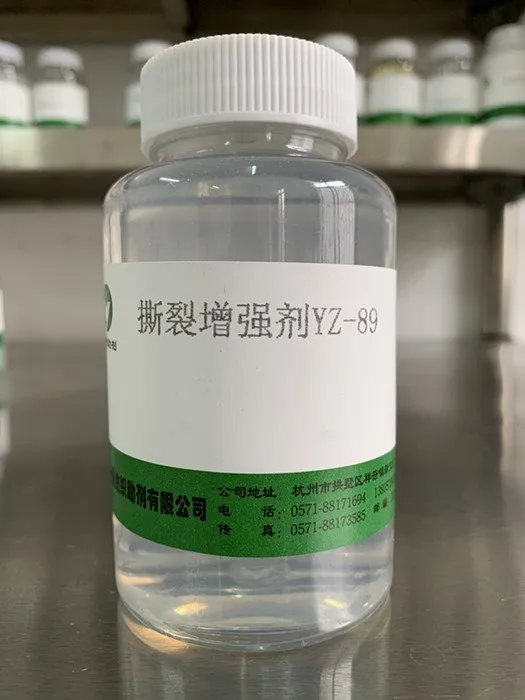

This will give you a clear picture of which product provides better tear strength improvement. However, make sure to follow the same application and testing procedures for all the samples to ensure a fair comparison.
6. Long - Term Testing
In addition to the immediate improvement in tear strength, it's also important to consider the long - term effects. Some materials may experience a decrease in tear strength over time due to factors like aging, exposure to sunlight, or repeated use.
To measure the long - term improvement, you can conduct a long - term testing program. Take samples of the treated material and expose them to different environmental conditions or simulate real - world use. Then, measure the tear strength at regular intervals, such as every month or every few months.
This will help you determine if the Tear Strength Improver provides a lasting improvement in tear strength.
Using Related Products
Our Tear Strength Improver can sometimes work in conjunction with other products to enhance the overall performance of the material. For example, the Silica Solution can be used in combination with the Tear Strength Improver to provide additional benefits. The Silica Solution can improve the surface properties of the material, which may further enhance the tear strength.
Another related product is the Anti - sliding Agent. In some applications, especially in textiles or flooring materials, an anti - sliding property is also important. Using these products together can give you a material with both improved tear strength and anti - sliding characteristics.
In conclusion, measuring the improvement in tear strength after using our Tear Strength Improver involves a combination of proper testing methods, considering the material type and other factors, and potentially conducting long - term and comparative tests. By following these steps, you can accurately assess the effectiveness of our product and make informed decisions about its use in your production process.
If you're interested in learning more about our Tear Strength Improver or have any questions about measuring tear strength improvement, feel free to reach out. We're here to help you get the best results for your products. Whether you're in the textile, paper, or plastics industry, our Tear Strength Improver can make a difference in the quality and durability of your materials. So, don't hesitate to contact us for more information and to start a procurement discussion.
References
- ASTM D1424 - Standard Test Method for Tearing Strength of Fabrics by Falling - Pendulum (Elmendorf) Apparatus
- ISO 1974 - Paper - Determination of tear resistance - Elmendorf method