

What are the defoaming agents used in lubricants?
In the world of lubricants, the presence of foam can be a significant issue. Foam in lubricants can lead to a variety of problems, including reduced lubrication efficiency, increased wear and tear on machinery, and potential damage to equipment. That's where defoaming agents come in. As a defoaming agent supplier, I have witnessed firsthand the importance of these substances in maintaining the optimal performance of lubricants.
Understanding the Problem of Foam in Lubricants
Before delving into the types of defoaming agents used in lubricants, it's crucial to understand why foam forms in the first place. Foam is created when air is trapped in the lubricant, forming bubbles. This can happen due to a variety of factors, such as agitation, high-speed operation, or the presence of contaminants. When foam forms, it can disrupt the normal flow of the lubricant, reducing its ability to lubricate effectively.
The consequences of excessive foam in lubricants can be severe. For example, in hydraulic systems, foam can cause erratic operation, reduced power output, and increased noise. In engines, foam can lead to poor lubrication, increased friction, and potentially engine failure. Therefore, controlling foam in lubricants is essential for ensuring the reliable and efficient operation of machinery.
Types of Defoaming Agents Used in Lubricants
There are several types of defoaming agents that are commonly used in lubricants. Each type has its own unique properties and advantages, and the choice of defoaming agent depends on the specific requirements of the lubricant and the application.
Silicone-Based Defoaming Agents
Silicone-based defoaming agents are one of the most widely used types of defoaming agents in lubricants. These agents are based on silicone polymers, which have excellent surface-active properties. Silicone defoaming agents work by spreading quickly on the surface of the foam bubbles, causing them to burst. They are highly effective at reducing foam formation and can be used in a wide range of lubricant formulations.
One of the key advantages of silicone-based defoaming agents is their high stability. They can withstand high temperatures, pressures, and shear forces without losing their effectiveness. This makes them suitable for use in demanding applications, such as automotive engines and industrial machinery. Additionally, silicone defoaming agents are generally compatible with most lubricant additives, making them easy to incorporate into existing lubricant formulations.
Non-Silicone Defoaming Agents
Non-silicone defoaming agents are another important type of defoaming agent used in lubricants. These agents are typically based on organic compounds, such as polyethers, esters, or alcohols. Non-silicone defoaming agents work by reducing the surface tension of the lubricant, making it more difficult for foam bubbles to form.
Non-silicone defoaming agents offer several advantages over silicone-based defoaming agents. For example, they are often more environmentally friendly and can be used in applications where silicone contamination is a concern. Additionally, non-silicone defoaming agents can be more cost-effective in some cases, making them a popular choice for lubricant manufacturers.
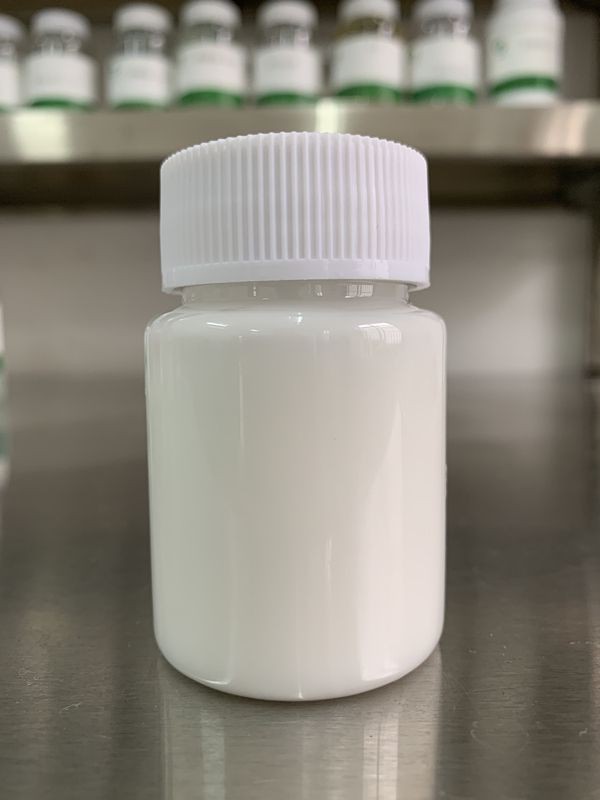

Polymeric Defoaming Agents
Polymeric defoaming agents are a relatively new type of defoaming agent that has gained popularity in recent years. These agents are based on polymers that have been specifically designed to have defoaming properties. Polymeric defoaming agents work by adsorbing onto the surface of the foam bubbles, causing them to coalesce and break up.
One of the main advantages of polymeric defoaming agents is their high efficiency. They can be used at very low concentrations, which reduces the cost of the lubricant formulation. Additionally, polymeric defoaming agents are often more compatible with other lubricant additives than silicone or non-silicone defoaming agents, making them easier to formulate into complex lubricant systems.
Our Defoaming Agent Products
As a defoaming agent supplier, we offer a wide range of defoaming agents that are specifically designed for use in lubricants. Our products include both silicone-based and non-silicone defoaming agents, as well as polymeric defoaming agents.
One of our popular products is the Defoaming Agent Afm. This is a silicone-based defoaming agent that is highly effective at reducing foam formation in lubricants. It has excellent stability and can be used in a wide range of applications, including automotive engines, industrial machinery, and hydraulic systems.
Another product that we offer is the Defoaming Agent Pfm. This is a non-silicone defoaming agent that is based on a proprietary blend of organic compounds. It is environmentally friendly and can be used in applications where silicone contamination is a concern. The Defoaming Agent Pfm is also highly effective at reducing foam formation and can be used in a variety of lubricant formulations.
How to Choose the Right Defoaming Agent for Your Lubricant
Choosing the right defoaming agent for your lubricant is crucial for ensuring optimal performance. There are several factors that you need to consider when selecting a defoaming agent, including the type of lubricant, the application, and the operating conditions.
Type of Lubricant
The type of lubricant that you are using will have a significant impact on the choice of defoaming agent. Different types of lubricants have different properties and requirements, and not all defoaming agents are suitable for all types of lubricants. For example, silicone-based defoaming agents are generally not recommended for use in some synthetic lubricants, as they can cause compatibility issues.
Application
The application in which the lubricant will be used is another important factor to consider. Different applications have different requirements for foam control, and the defoaming agent that you choose should be able to meet these requirements. For example, in high-speed applications, such as automotive engines, a defoaming agent that can quickly break up foam and prevent its reformation is essential.
Operating Conditions
The operating conditions of the machinery will also affect the choice of defoaming agent. Factors such as temperature, pressure, and shear forces can all have an impact on the performance of the defoaming agent. For example, in high-temperature applications, a defoaming agent that can withstand high temperatures without losing its effectiveness is required.
Conclusion
In conclusion, defoaming agents play a crucial role in maintaining the optimal performance of lubricants. By controlling foam formation, defoaming agents can help to improve lubrication efficiency, reduce wear and tear on machinery, and prevent equipment damage. As a defoaming agent supplier, we offer a wide range of high-quality defoaming agents that are specifically designed for use in lubricants. Whether you need a silicone-based, non-silicone, or polymeric defoaming agent, we have the product that you need.
If you are interested in learning more about our defoaming agent products or have any questions about choosing the right defoaming agent for your lubricant, please feel free to contact us. We would be happy to assist you in finding the best solution for your needs.
References
- Karsa, D. R. (Ed.). (1993). Defoaming: Theory and Industrial Applications. Marcel Dekker.
- Garrett, P. R. (1993). Defoaming Agents. In Handbook of Industrial Surfactants (pp. 317-338). Chapman & Hall.
- Rosen, M. J., & Kunjappu, J. T. (2012). Surfactants and Interfacial Phenomena. Wiley.