

Hey there! As a supplier of defoaming agents, I often get asked about the types of defoaming agents used in the pharmaceutical industry. So, I thought I'd put together this blog post to share some insights on this topic.
Why Defoaming Agents are Needed in the Pharmaceutical Industry
First off, let's talk about why defoaming agents are even necessary in pharma. In the pharmaceutical manufacturing process, foaming can be a real pain. It can occur during various steps like mixing, fermentation, and filling. Excessive foam can lead to all sorts of problems. For example, it can reduce the efficiency of equipment by clogging filters or impeding the flow of liquids. It can also affect the quality of the final product. If there's too much foam during the filling process, it can lead to inaccurate dosing, which is a big no - no in the pharma world.
Types of Defoaming Agents Used in Pharma
Silicone - Based Defoaming Agents
Silicone - based defoaming agents are one of the most commonly used types in the pharmaceutical industry. They work great because they have excellent surface activity. Silicone defoamers can quickly spread on the surface of the foam, causing the foam bubbles to burst. They're also very stable over a wide range of temperatures and pH levels, which is crucial in pharmaceutical manufacturing where different processes may require different environmental conditions.
One of the advantages of silicone - based defoamers is their low toxicity. Since they're used in products that will be consumed by humans, low toxicity is a must. They're also effective in small concentrations, which means you don't need to use a whole lot of them to get the job done. For instance, in the production of oral liquid medications, a small amount of silicone defoamer can prevent excessive foaming during the mixing process, ensuring a smooth and consistent product.
Mineral Oil - Based Defoaming Agents
Mineral oil - based defoaming agents are another option. These defoamers work by spreading on the surface of the foam and disrupting the surface tension of the bubbles. They're relatively inexpensive compared to some other types of defoamers, which can be an attractive feature for pharmaceutical manufacturers looking to keep costs down.
However, mineral oil - based defoamers do have some limitations. They may not be as effective in high - temperature processes as silicone - based ones. Also, they can sometimes leave a residue, which might not be ideal for certain pharmaceutical applications. But in some cases, like in the production of certain topical creams or ointments, they can be a suitable choice as long as the residue doesn't interfere with the product's performance.
Polyether - Based Defoaming Agents
Polyether - based defoaming agents are known for their good solubility in water. This makes them a great choice for aqueous pharmaceutical systems. They can quickly disperse in the liquid, reaching the foam bubbles and breaking them up. Polyether defoamers are also biodegradable, which is an important consideration in today's environmentally - conscious world.
In the fermentation process of producing antibiotics or other biopharmaceuticals, polyether - based defoaming agents can be very useful. They can control the foam generated during the growth of microorganisms without interfering with the fermentation process itself.
Our Defoaming Agent Products
At our company, we offer a couple of great defoaming agent products that are well - suited for the pharmaceutical industry.
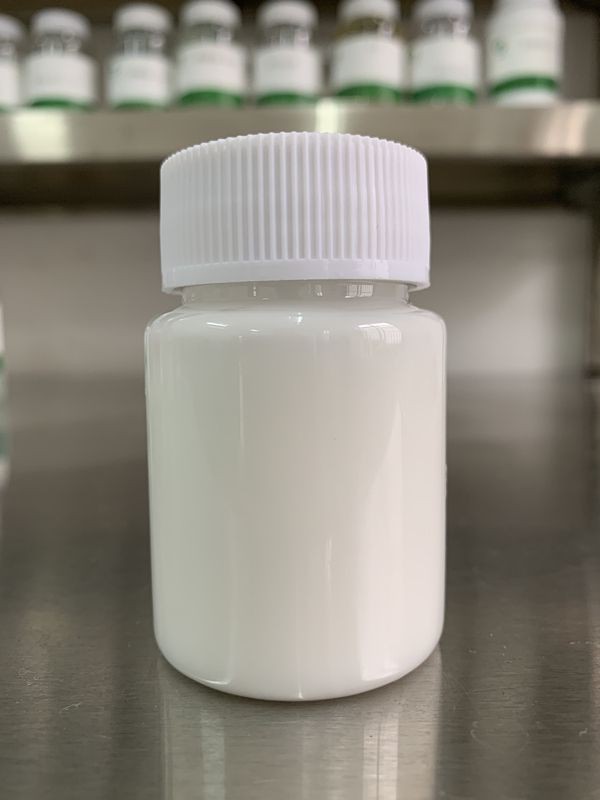
The Defoaming Agent Pfm is a high - performance defoamer. It's a silicone - based product that has been specifically formulated for pharmaceutical applications. It has excellent defoaming properties, can work effectively in a wide range of temperatures and pH values, and is non - toxic. Whether you're manufacturing tablets, capsules, or liquid medications, this defoamer can help you deal with foam problems.
Another product we have is the Defoaming Agent Afm. This is a polyether - based defoaming agent. It's highly soluble in water and is great for aqueous pharmaceutical systems. It's biodegradable, so it's an environmentally friendly option. It can be used in processes like fermentation and the production of injectable medications.
Considerations When Choosing a Defoaming Agent
When choosing a defoaming agent for your pharmaceutical manufacturing process, there are a few things you need to keep in mind.
First, you need to consider the compatibility of the defoamer with your product. You don't want a defoamer that will react with the active ingredients in your medication or affect its stability. For example, if you're making a product with a specific pH range, you need to make sure the defoamer can work effectively within that range without causing any chemical reactions.
Second, think about the process conditions. If your process involves high temperatures, you'll need a defoamer that can withstand those temperatures without losing its effectiveness. Similarly, if there are high shear forces during mixing or other operations, the defoamer should be able to maintain its defoaming properties.
Finally, cost is always a factor. You want to find a defoaming agent that offers good value for money. While it's important not to compromise on quality, you also don't want to overspend. That's why our products are priced competitively, giving you a great balance between performance and cost.
How to Use Defoaming Agents in Pharma
Using defoaming agents in the pharmaceutical industry requires some care. First, you need to determine the right dosage. This usually depends on the type of product you're making, the severity of the foaming problem, and the process conditions. It's a good idea to do some small - scale tests first to find the optimal dosage.
When adding the defoamer to the system, make sure it's well - dispersed. This can be achieved by adding it slowly and mixing thoroughly. In some cases, it may be necessary to use a pump or other equipment to ensure even distribution.
Conclusion
In conclusion, defoaming agents play a crucial role in the pharmaceutical industry. They help solve the problems caused by excessive foam, ensuring the efficiency of the manufacturing process and the quality of the final product. Whether you choose a silicone - based, mineral oil - based, or polyether - based defoamer, it's important to select the right one for your specific needs.
Our Defoaming Agent Pfm and Defoaming Agent Afm are great options for pharmaceutical manufacturers. They offer excellent performance, are safe to use, and are cost - effective.
If you're in the pharmaceutical industry and are looking for a reliable defoaming agent supplier, we'd love to talk to you. We can provide you with samples, technical support, and all the information you need to make an informed decision. Don't hesitate to reach out to us for a discussion on your defoaming needs and how we can help you achieve better results in your manufacturing process.

References
- "Handbook of Industrial Surfactants" by Michael Ash and Irene Ash.
- "Pharmaceutical Manufacturing Handbook: Production and Processes" edited by S. C. Gad.
- Various research papers on defoaming agents in pharmaceutical applications from scientific journals.