

Yo, what's up everyone! As a supplier of defoaming agents, I've been getting a lot of questions lately about what these little wonders actually do. So, I thought I'd take a few minutes to break it down for you and explain the function of a defoaming agent.
First things first, let's talk about what foam is and why it can be a problem. Foam is basically a collection of gas bubbles trapped in a liquid. It can form for a variety of reasons, like agitation, the presence of surfactants, or chemical reactions. Now, in some cases, foam can be a good thing. Think about the foam on top of a cold beer or the bubbles in a bubble bath. But in many industrial and commercial applications, foam can be a real pain in the you-know-what.
For example, in the manufacturing of paints and coatings, foam can cause all sorts of issues. It can make the paint difficult to apply evenly, leaving behind streaks and bumps. It can also trap air bubbles in the paint, which can lead to a rough or uneven finish. In the food and beverage industry, foam can cause problems during processing and packaging. It can overflow from tanks and containers, leading to messy spills and wasted product. And in the wastewater treatment industry, foam can interfere with the proper functioning of treatment equipment, reducing its efficiency and effectiveness.
So, that's where defoaming agents come in. A defoaming agent, also known as an anti-foaming agent, is a chemical additive that's designed to reduce or eliminate foam in a liquid. It works by breaking the surface tension of the liquid, which allows the gas bubbles to escape and the foam to collapse. There are several different types of defoaming agents available, each with its own unique properties and applications.
One of the most common types of defoaming agents is silicone-based. Silicone defoamers are highly effective at reducing foam in a wide range of applications, including paints, coatings, adhesives, and industrial cleaners. They're also resistant to high temperatures and chemicals, making them suitable for use in harsh environments. Another type of defoaming agent is oil-based. Oil defoamers are often used in the food and beverage industry, as they're safe for human consumption and can be used in products like dairy products, baked goods, and beverages.
There are also water-based defoaming agents, which are environmentally friendly and can be used in applications where oil or silicone-based defoamers aren't suitable. Water-based defoamers are often used in the textile industry, as they can be easily removed from fabrics during the washing process. And then there are powder defoaming agents, which are convenient to use and can be added directly to a liquid. Powder defoamers are often used in the construction industry, as they can be added to cement and other building materials to reduce foam during mixing.
Now, let's take a closer look at some of the specific functions of defoaming agents. One of the main functions of a defoaming agent is to prevent foam from forming in the first place. By adding a defoaming agent to a liquid before it starts to foam, you can reduce the surface tension of the liquid and prevent gas bubbles from forming. This can help to improve the efficiency and effectiveness of industrial processes, as well as reduce the amount of wasted product.
Another function of a defoaming agent is to break down existing foam. If foam has already formed in a liquid, a defoaming agent can be added to break the surface tension of the liquid and cause the foam to collapse. This can help to clear up messy spills and prevent foam from interfering with the proper functioning of equipment.

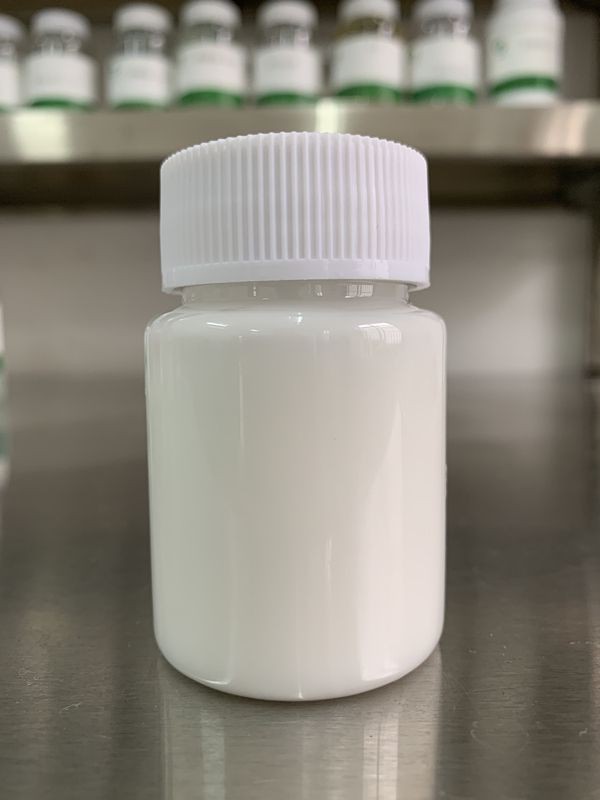
Defoaming agents can also improve the quality of products. By reducing foam in a liquid, defoaming agents can help to ensure that products are applied evenly and have a smooth, professional finish. This can be especially important in industries like paints, coatings, and adhesives, where the appearance of the final product is crucial.
In addition to these functions, defoaming agents can also help to reduce costs. By preventing foam from forming and breaking down existing foam, defoaming agents can help to reduce the amount of wasted product and improve the efficiency of industrial processes. This can lead to significant cost savings over time.
Now, I know what you're thinking. "This all sounds great, but how do I choose the right defoaming agent for my application?" Well, the answer to that question depends on a variety of factors, including the type of liquid you're working with, the temperature and pressure of the environment, and the specific requirements of your application.
As a defoaming agent supplier, I can help you choose the right defoaming agent for your needs. I have a wide range of defoaming agents available, including Defoaming Agent Afm and Defoaming Agent Pfm, which are both highly effective at reducing foam in a variety of applications.
If you're not sure which defoaming agent is right for you, just give me a shout. I'd be happy to answer any questions you have and help you find the perfect solution for your needs. And if you're interested in purchasing defoaming agents, I can offer you competitive prices and excellent customer service.
In conclusion, defoaming agents are an essential tool for many industrial and commercial applications. They can help to prevent foam from forming, break down existing foam, improve the quality of products, and reduce costs. If you're dealing with foam in your business, I highly recommend considering the use of a defoaming agent. And if you need any help or advice, don't hesitate to contact me. I'm here to help you find the perfect solution for your needs.
References
- "Defoaming Agents: Principles and Applications" by J. M. Schulman and G. D. Parfitt
- "Foam Control Agents: Theory and Industrial Applications" by P. R. Garrett