

Hey there! As a supplier of Anti - sliding Agent, I often get asked about what the main function of an anti - sliding agent is. Well, let's dive right into it.
First off, an anti - sliding agent, as the name suggests, is mainly used to increase the friction between surfaces. This might not sound like a big deal at first, but it has a wide range of applications and can have a huge impact on safety and functionality in many areas.
Applications in Industrial Settings
In industrial environments, safety is always a top priority. Floors in factories, warehouses, and workshops are often exposed to various substances like oil, water, or chemicals, which can make them slippery. An Anti - sliding Agent can be applied to these floors to create a non - slip surface.
For example, in a food processing plant, there's a lot of water and spills on the floor. Without an anti - sliding agent, workers are at a high risk of slipping and getting injured. By using an anti - sliding agent, the coefficient of friction of the floor is increased, reducing the chances of accidents. This not only protects the workers but also helps the company avoid costly lawsuits and downtime due to injuries.
In addition to floors, anti - sliding agents can also be used on conveyor belts. Conveyor belts are used to transport goods in many industries. If the surface of the conveyor belt is too slippery, the goods might not move smoothly or could even fall off. Applying an anti - sliding agent can ensure that the goods are transported safely and efficiently.
Use in Consumer Products
Anti - sliding agents are also commonly found in consumer products. Take shoes, for example. Have you ever noticed those little dots or patterns on the soles of some shoes? That's often a form of anti - sliding technology. The manufacturers might use an anti - sliding agent during the production process to make the soles grip the ground better. This is especially important for sports shoes, where quick movements and sudden stops are common. A good anti - sliding sole can prevent athletes from slipping and getting injured on the field or court.
Another consumer product that benefits from anti - sliding agents is bath mats. Bathrooms are a place where people are most likely to slip because of the wet surfaces. A bath mat with an anti - sliding backing ensures that it stays in place on the slippery bathroom floor, providing a safe area for people to step on when getting in and out of the bath or shower.
Role in Construction
In the construction industry, anti - sliding agents play a crucial role in various aspects. For outdoor walkways and stairs, especially in areas with high foot traffic, an anti - sliding treatment can be applied to the surface. This is important in public places like shopping malls, hospitals, and schools, where the safety of a large number of people is at stake.
During the rainy or snowy season, untreated walkways can become extremely dangerous. An anti - sliding agent can make these surfaces safer by increasing their traction. It can also be used on roofing materials. In some cases, workers need to walk on the roof for maintenance or installation purposes. An anti - sliding coating on the roof can prevent them from slipping and falling, which could be fatal.
Chemical and Physical Mechanisms
Now, let's talk a bit about how anti - sliding agents work. There are two main mechanisms: chemical and physical.
From a chemical perspective, some anti - sliding agents react with the surface they are applied to. For example, certain types of anti - sliding agents contain chemicals that can etch the surface slightly. This creates small irregularities on the surface, which in turn increases the friction.
Physically, some anti - sliding agents are made up of tiny particles. When these agents are applied to a surface, the particles create a rough texture. Think of it like sandpaper. The rougher the surface, the more friction it has. This physical roughness helps to grip other surfaces better, whether it's a shoe sole on a floor or a conveyor belt moving goods.
Compatibility with Other Products
One thing that's important to note is the compatibility of anti - sliding agents with other products. In many industrial and construction applications, anti - sliding agents might need to be used in conjunction with other materials like paints, coatings, or adhesives.
For example, if you're applying an anti - sliding agent to a painted surface, you need to make sure that the agent won't damage the paint or reduce its effectiveness. As a supplier, we always provide detailed information about the compatibility of our Anti - sliding Agent with different types of materials. This helps our customers make the right choices and ensures that the end result is both safe and durable.
Related Products in Our Portfolio
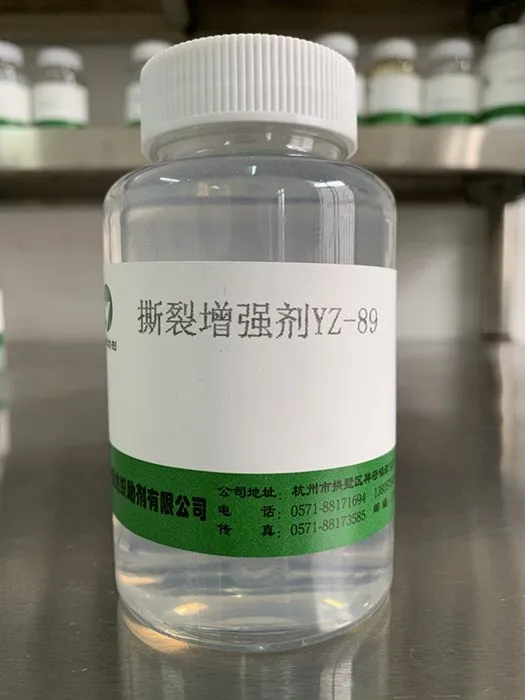
We also offer other related products in our portfolio. One of them is the Tear Strength Improver. This product is often used in conjunction with anti - sliding agents in some applications. For example, in the production of rubber products like conveyor belts or shoe soles, a tear strength improver can enhance the durability of the material, while the anti - sliding agent improves its traction.
Another related product is the Silica Solution. Silica solutions can be used as a base for some anti - sliding agents. They can provide a stable and effective medium for the anti - sliding particles or chemicals to work.
Why Choose Our Anti - sliding Agent
As a supplier, we take pride in the quality of our anti - sliding agent. Our product is carefully formulated to provide maximum effectiveness and durability. We use high - quality raw materials and follow strict manufacturing processes to ensure that every batch meets our high standards.
We also offer excellent customer service. Our team of experts is always ready to answer any questions you might have about our anti - sliding agent, its application, or compatibility with other products. Whether you're a small business looking for a solution for your workshop floor or a large construction company working on a major project, we can provide you with the right advice and support.
Conclusion
In conclusion, the main function of an anti - sliding agent is to increase the friction between surfaces, which has a wide range of applications in industrial, consumer, and construction settings. It plays a vital role in ensuring safety and improving the functionality of various products and structures.

If you're in the market for an anti - sliding agent, we'd love to have a chat with you. Whether you need more information about our product, want to discuss your specific requirements, or are ready to place an order, feel free to reach out. We're here to help you find the best anti - sliding solution for your needs.
References
- Industrial Safety Handbook: Covers the importance of anti - sliding agents in industrial environments.
- Consumer Product Safety Research: Discusses the use of anti - sliding agents in consumer products.
- Construction Materials and Technology Journals: Provide information on the application of anti - sliding agents in construction.