

As a defoaming agent supplier, I've witnessed firsthand the challenges that industries face when dealing with foam in high - temperature environments. In this blog, I'll delve into the mechanism of defoaming in such conditions, exploring the science behind it and how our products, like Defoaming Agent Pfm and Defoaming Agent Afm, can effectively address these issues.
Understanding Foam Formation in High - Temperature Environments
Before we discuss defoaming mechanisms, it's crucial to understand how foam forms in high - temperature settings. Foam is a dispersion of gas bubbles in a liquid. In industrial processes, factors such as agitation, the presence of surfactants, and the release of gases can contribute to foam formation.
At high temperatures, the situation becomes more complex. The increased thermal energy causes molecules to move more vigorously. Surfactants, which are commonly used in many industrial processes to reduce surface tension, can become more active. This enhanced activity can lead to the stabilization of gas bubbles, making the foam more persistent. Additionally, high temperatures can cause chemical reactions that generate gases, further contributing to foam formation.
For example, in the food and beverage industry, during the cooking or pasteurization processes at high temperatures, proteins and other organic compounds can act as surfactants. They lower the surface tension of the liquid, allowing gas bubbles to form and persist. In the chemical manufacturing industry, high - temperature reactions may produce gaseous by - products that get trapped in the reaction mixture, leading to foam.
The General Defoaming Mechanism
The basic principle of defoaming involves breaking the stability of the foam structure. A defoaming agent typically has two main functions: entering the foam film and causing it to rupture.
When a defoaming agent is added to a foaming system, it first needs to penetrate the foam film. The defoaming agent molecules are usually less soluble in the foaming liquid compared to the surfactants that stabilize the foam. They can adsorb at the gas - liquid interface of the foam film. Once adsorbed, the defoaming agent disrupts the uniform structure of the surfactant layer on the foam film.
There are several ways in which a defoaming agent can cause the foam film to rupture. One common mechanism is the "bridging - spreading" mechanism. The defoaming agent forms a bridge across the foam film. As the defoaming agent spreads on the surface of the foam film, it causes a local thinning of the film. When the film becomes too thin, it breaks, and the gas inside the bubble is released.
Another mechanism is the "oil - droplet" mechanism. Some defoaming agents exist in the form of small oil droplets. These droplets can penetrate the foam film and displace the surfactant molecules. The oil droplets then coalesce within the foam film, creating a large enough mass to break the film.
Defoaming in High - Temperature Environments
In high - temperature environments, the defoaming process becomes more challenging due to the increased stability of the foam and the potential for chemical changes in the defoaming agent itself.
Thermal Stability of Defoaming Agents
One of the key requirements for a defoaming agent in a high - temperature environment is thermal stability. High temperatures can cause the defoaming agent to decompose or lose its effectiveness. Our Defoaming Agent Pfm and Defoaming Agent Afm are designed to have high thermal stability. They are formulated with special chemical compounds that can withstand high temperatures without significant degradation.
For instance, some silicone - based defoaming agents are known for their excellent thermal stability. Silicone polymers have a high - energy Si - O bond, which makes them resistant to thermal degradation. At high temperatures, these silicone - based defoaming agents can maintain their structure and continue to perform their defoaming function.
Viscosity and Surface Tension Changes
High temperatures can also affect the viscosity and surface tension of the foaming liquid. As the temperature increases, the viscosity of the liquid generally decreases. This change in viscosity can impact the ability of the defoaming agent to penetrate the foam film. A defoaming agent needs to have the right balance of viscosity and surface - active properties to be effective in a high - temperature, low - viscosity environment.
Our defoaming agents are formulated to adapt to these changes. They can adjust their spreading and penetration abilities according to the temperature - induced changes in the foaming liquid. For example, they may have a lower viscosity at high temperatures to ensure easy penetration into the foam film.
Compatibility with the Foaming System
In high - temperature environments, the chemical reactivity of the foaming system may increase. A defoaming agent needs to be compatible with the other components in the system to avoid any unwanted chemical reactions. Our defoaming agents are carefully tested for compatibility with a wide range of industrial processes.
For example, in the textile industry, high - temperature dyeing processes involve various dyes, auxiliaries, and fibers. Our defoaming agents are designed to be compatible with these substances. They do not react with the dyes or fibers, ensuring that the quality of the textile product is not affected.
Case Studies: Our Defoaming Agents in High - Temperature Applications
Let's take a look at some real - world applications of our Defoaming Agent Pfm and Defoaming Agent Afm in high - temperature environments.
In the oil and gas industry, during the high - temperature steam injection process for enhanced oil recovery, foam can form in the wellbore and the production equipment. Our Defoaming Agent Pfm was added to the injection water. It effectively reduced the foam, improving the efficiency of the steam injection process. The high thermal stability of the defoaming agent ensured that it remained effective even at the high temperatures present in the wellbore.
In the paper manufacturing industry, the pulp cooking process is carried out at high temperatures. Foam can cause problems such as uneven pulp distribution and reduced production efficiency. Defoaming Agent Afm was used in this process. It quickly entered the foam film and caused it to rupture, eliminating the foam and improving the overall quality of the paper production.
Conclusion and Call to Action
In conclusion, defoaming in high - temperature environments is a complex process that requires a deep understanding of the foam formation mechanism and the properties of defoaming agents. Our company, as a leading defoaming agent supplier, offers high - quality products like Defoaming Agent Pfm and Defoaming Agent Afm that are specifically designed to address the challenges of high - temperature defoaming.

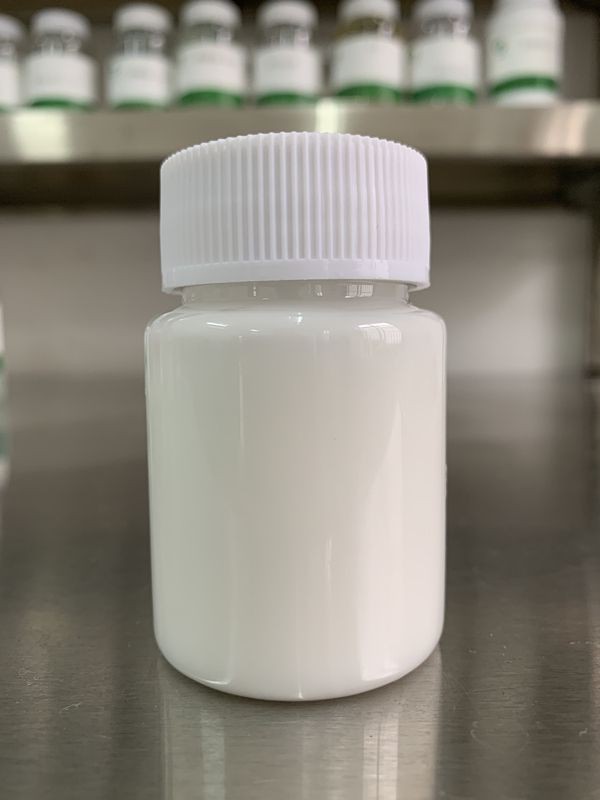
If your industry is facing foam problems in high - temperature processes, we invite you to contact us for more information. Our team of experts can provide you with customized solutions based on your specific needs. Whether it's the food and beverage industry, chemical manufacturing, or any other industry, we have the expertise and products to help you achieve efficient defoaming.
References
- Ross, S., & Oliver, J. F. (1964). Adsorption and the Gibbs surface excess. Wiley.
- Garrett, P. R. (1993). Defoaming: theory and industrial applications. Marcel Dekker.
- Myers, D. (1999). Surfaces, interfaces, and colloids: principles and applications. Wiley - VCH.