

Hey there! As a supplier of Anti-sliding Agent, I often get asked if our anti-sliding agents can be used on metal surfaces. It's a great question, and I'm here to break it down for you.
First off, let's talk about what anti-sliding agents are. These are substances designed to increase the friction between two surfaces, reducing the risk of slipping. They're used in a wide range of applications, from industrial settings to everyday household items. Now, when it comes to metal surfaces, the answer isn't a simple yes or no. It depends on a few factors.
Factors to Consider
Surface Condition
The condition of the metal surface plays a huge role. If the metal is clean, smooth, and free of any contaminants like oil, grease, or rust, an anti-sliding agent has a better chance of adhering properly. Rust, for example, can create an uneven surface that might prevent the agent from bonding effectively. So, before applying an anti-sliding agent, it's crucial to clean and prepare the metal surface. You can use a degreaser to remove any oils and a wire brush or sandpaper to get rid of rust and rough up the surface a bit. This helps the agent grip better.
Type of Metal
Different metals have different properties, and this can affect how well an anti-sliding agent works. For instance, stainless steel is known for its smooth and non-porous surface. While an anti-sliding agent can still be applied, it might require a special formulation to ensure good adhesion. On the other hand, metals like aluminum or iron have more porous surfaces, which can sometimes make it easier for the agent to penetrate and bond.
Application Environment
The environment where the metal surface will be used also matters. If it's an indoor environment with stable temperature and humidity, the anti-sliding agent is likely to perform well. However, if the metal is exposed to extreme weather conditions, such as high heat, cold, or moisture, the agent might need to be more durable. For example, in a marine environment where the metal is constantly exposed to saltwater, the anti-sliding agent needs to be resistant to corrosion.
Benefits of Using Anti-sliding Agents on Metal Surfaces
Safety
One of the biggest advantages is safety. Metal surfaces can be extremely slippery, especially when they're wet or oily. In industrial settings, this can lead to accidents and injuries. By applying an anti-sliding agent, you can significantly reduce the risk of slips and falls. This is crucial in areas like factories, warehouses, and stairways where people are constantly walking on metal floors or platforms.
Durability
Anti-sliding agents can also enhance the durability of metal surfaces. They can protect the metal from wear and tear, as well as from the effects of corrosion. Some agents form a protective layer that acts as a barrier against moisture and chemicals, extending the lifespan of the metal.
Cost - Effectiveness
In the long run, using an anti-sliding agent can be cost - effective. By preventing accidents and reducing the need for frequent repairs due to wear and corrosion, you can save money on medical expenses, downtime, and replacement parts.
Our Anti-sliding Agent Offerings
At our company, we offer a range of Anti-sliding Agent products that are suitable for metal surfaces. Our agents are formulated to provide excellent adhesion, high friction, and long - lasting performance.
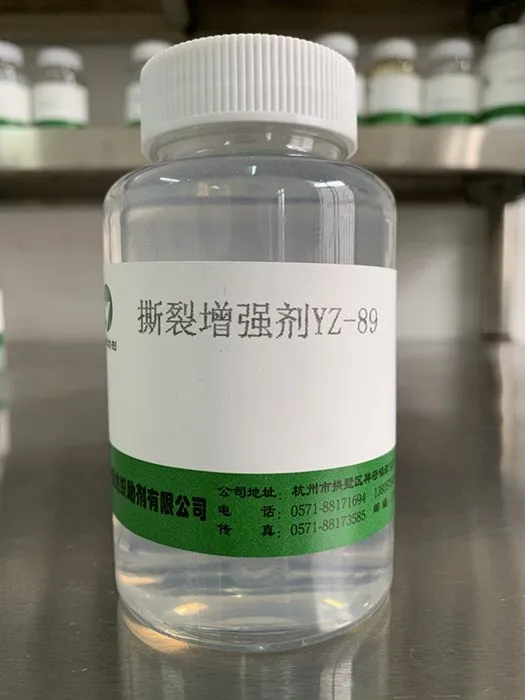
We also have Tear Strength Improver and Silica Solution that can be used in conjunction with our anti-sliding agents to enhance their properties. The tear strength improver can make the anti-sliding layer more resistant to damage, while the silica solution can improve the overall performance and durability of the agent.
Application Process
Applying our anti-sliding agent to a metal surface is a relatively straightforward process. First, as mentioned earlier, clean and prepare the surface. Then, you can apply the agent using a brush, roller, or spray gun, depending on the size and shape of the metal surface. Make sure to apply an even coat and follow the recommended drying time. In some cases, multiple coats might be required for optimal results.
Case Studies
Let me share a couple of real - life examples of how our anti-sliding agents have been used on metal surfaces. A manufacturing plant had a problem with slippery metal floors in their assembly area. Workers were constantly at risk of slipping, which was causing productivity to drop and increasing the number of workplace injuries. They decided to try our anti-sliding agent. After applying it to the floors, the slip - resistance improved significantly. Workers felt safer, and the number of accidents decreased. This led to an increase in productivity and a reduction in medical costs.
Another example is a marine company that needed to improve the safety of their metal walkways on boats. The walkways were often wet and slippery, posing a danger to crew members. They used our anti-sliding agent, which was specifically formulated to be resistant to saltwater and harsh marine conditions. The agent provided excellent grip, even when the walkways were wet, and it held up well over time.
Conclusion
So, can anti - sliding agents be used on metal surfaces? Absolutely! With the right preparation, the appropriate product, and proper application, anti - sliding agents can provide a safe, durable, and cost - effective solution for metal surfaces. Whether it's in an industrial, commercial, or residential setting, our Anti-sliding Agent products can help you improve safety and protect your metal surfaces.
If you're interested in learning more about our anti - sliding agents or have any questions about using them on your metal surfaces, don't hesitate to reach out. We're here to help you find the best solution for your needs. Let's start a conversation and see how we can work together to make your metal surfaces safer and more durable.

References
- "Surface Engineering for Corrosion and Wear Resistance" by David Rickerby and Andrew Matthews.
- "Handbook of Adhesives and Sealants" by Charles A. Dostal.
- Various industry reports on workplace safety and surface treatments.