

Can defoaming agents be used in a corrosive environment? That's a question I've been asked quite a few times as a defoaming agent supplier. In this blog, I'm gonna break it down for you, sharing some insights on whether defoaming agents can handle corrosive conditions and which ones might be up for the task.
First off, let's talk about what defoaming agents are and what corrosive environments look like. Defoaming agents are substances that are used to reduce or eliminate foam in various industrial processes. Foam can be a real pain in the neck as it can mess up production efficiency, cause equipment malfunctions, and even affect the quality of the final product. On the other hand, corrosive environments are places where there are chemicals that can eat away at materials over time. Think of industries like chemical manufacturing, metal processing, and wastewater treatment, where strong acids, bases, or other corrosive substances are present.
Now, the big question: Can defoaming agents work in these harsh environments? The answer is, it depends. Not all defoaming agents are created equal, and some are better suited for corrosive conditions than others.
There are two main factors to consider when choosing a defoaming agent for a corrosive environment: chemical compatibility and stability. Chemical compatibility means that the defoaming agent won't react with the corrosive substances in the environment. If it does, it could lose its effectiveness or even cause more problems. Stability refers to the ability of the defoaming agent to maintain its performance over time in the presence of corrosion.
Let's take a look at some types of defoaming agents and how they fare in corrosive environments.
Silicone-based defoaming agents are quite popular because they're effective at breaking down foam and have good chemical resistance. They can handle a wide range of pH levels, from acidic to alkaline. However, some silicone defoamers might not be suitable for extremely corrosive environments with very high concentrations of strong acids or bases. In these cases, the silicone can break down or react with the corrosive chemicals, leading to reduced defoaming performance.
Non-silicone defoaming agents, such as those based on hydrocarbons or fatty acids, can also be used in corrosive environments. Hydrocarbon-based defoamers are often resistant to acids and can work well in some chemical processes. Fatty acid-based defoamers, on the other hand, can be more suitable for alkaline environments. But again, their performance can vary depending on the specific corrosive substances and their concentrations.
At our company, we have two great options for defoaming agents that can be used in certain corrosive environments. The Defoaming Agent Afm is a high - performance defoamer that has been tested in various industrial settings. It shows good chemical compatibility with a range of mild to moderately corrosive substances. It can quickly break down foam and keep the production process running smoothly.
Another option is the Defoaming Agent Pfm. This defoamer is designed to be more stable in corrosive conditions. It has a special formulation that helps it resist the effects of corrosion and maintain its defoaming power over time. Whether you're dealing with acidic or alkaline environments, the Defoaming Agent Pfm can be a reliable choice.
But before you make a decision, it's always a good idea to do some testing. You can request samples of our defoaming agents and test them in your specific corrosive environment. This way, you can see firsthand how they perform and make an informed choice.
In addition to chemical compatibility and stability, there are other things to think about when using defoaming agents in corrosive environments. For example, the temperature of the environment can affect the performance of the defoamer. Some defoaming agents might work well at room temperature but lose their effectiveness at high or low temperatures. Also, the agitation level in the process can play a role. High - speed agitation can cause the defoamer to disperse more quickly, but it can also make it more vulnerable to the effects of corrosion.
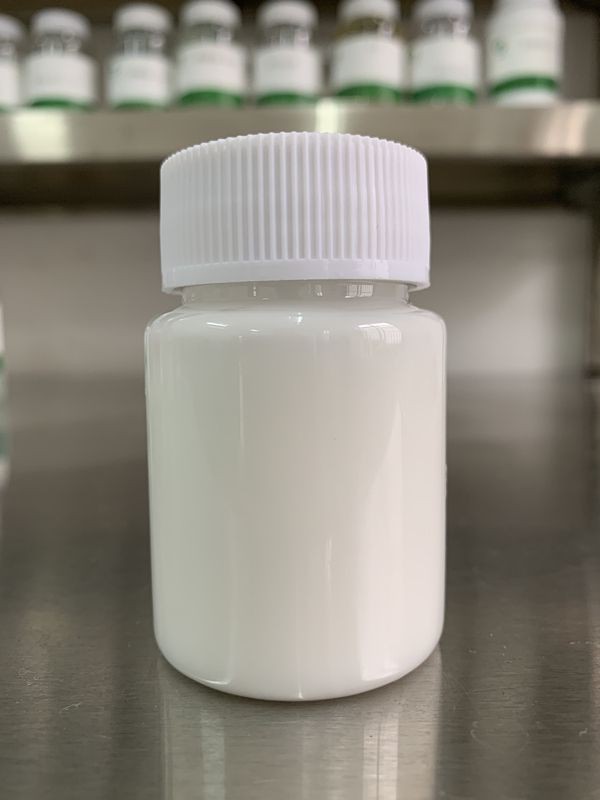

To sum it up, yes, defoaming agents can be used in a corrosive environment, but you need to choose the right one. Consider the chemical nature of the corrosive substances, the temperature, and the agitation level. Our Defoaming Agent Afm and Defoaming Agent Pfm are two great options to start with, but don't forget to test them in your own setup.
If you're struggling with foam in a corrosive environment and need a reliable defoaming solution, don't hesitate to get in touch. We're here to help you find the best defoaming agent for your specific needs. Whether you have questions, need samples, or want to discuss a potential purchase, just reach out. We'll work with you to ensure that your production process runs smoothly and efficiently.
References
- Industrial Foam Control Handbook, 2nd Edition
- Chemical Compatibility Guides for Defoaming Agents