

In the detergent industry, the presence of excessive foam can pose significant challenges, affecting both the efficiency of production processes and the quality of the final product. This is where defoaming agents come into play. As a leading supplier of defoaming agents, I am excited to delve into the fascinating world of how these agents work in the detergent industry.
Understanding Foam Formation in Detergents
Before we explore how defoaming agents work, it's crucial to understand why foam forms in detergents. Detergents contain surfactants, which are molecules with a hydrophilic (water - loving) head and a hydrophobic (water - hating) tail. When detergents are mixed with water, the surfactants reduce the surface tension of the water. This allows air to be easily incorporated into the liquid, forming bubbles. These bubbles are stabilized by the surfactants, which arrange themselves at the air - water interface, preventing the bubbles from collapsing quickly.
In the detergent manufacturing process, mechanical agitation such as mixing, pumping, and spraying can further introduce air into the solution, leading to excessive foam formation. In addition, during the use of detergents in applications like laundry, dishwashing, and industrial cleaning, the agitation caused by washing machines, scrubbers, or other equipment also promotes the generation of foam.
The Role of Defoaming Agents
Defoaming agents, also known as anti - foam agents, are substances that are added to detergents to control and reduce foam. They work by disrupting the stability of the foam bubbles, causing them to collapse more rapidly. There are two main types of defoaming agents used in the detergent industry: silicone - based defoaming agents and non - silicone defoaming agents.
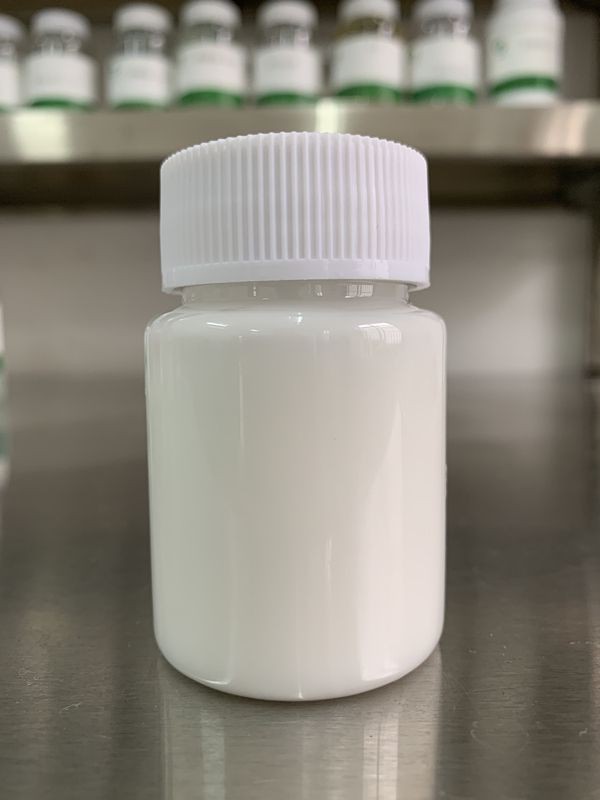

1. Silicone - based Defoaming Agents
Silicone - based defoaming agents are widely used in the detergent industry due to their excellent defoaming performance. These agents typically consist of polydimethylsiloxane (PDMS), which is a silicone polymer. PDMS has a low surface tension, which allows it to spread rapidly across the surface of the foam bubbles.
When a silicone - based defoaming agent is added to a foamy detergent solution, the PDMS molecules migrate to the air - water interface of the foam bubbles. Once at the interface, the PDMS molecules disrupt the surfactant layer that stabilizes the bubbles. They do this in several ways. Firstly, the PDMS molecules can penetrate the surfactant layer, reducing its elasticity. This makes the bubbles more susceptible to rupture. Secondly, the low surface tension of PDMS causes it to pull on the liquid film of the bubble, thinning it until it breaks.
Silicone - based defoaming agents are also highly effective at preventing the re - formation of foam. They form a thin, hydrophobic layer on the surface of the liquid, which inhibits the entrance of air and the formation of new bubbles. For example, our Defoaming Agent Pfm is a silicone - based defoaming agent that offers outstanding defoaming and foam prevention properties in a wide range of detergent applications.
2. Non - silicone Defoaming Agents
Non - silicone defoaming agents are another option for the detergent industry. These agents can be made from various materials, such as mineral oils, vegetable oils, and fatty acid esters. Non - silicone defoaming agents work in a similar way to silicone - based agents but have some different characteristics.
Mineral oil - based defoaming agents, for example, spread on the surface of the foam bubbles and displace the surfactant molecules. This disrupts the stability of the bubbles and causes them to burst. Vegetable oil - based defoaming agents can also act as defoamers by reducing the surface tension of the liquid and interfering with the surfactant layer.
Non - silicone defoaming agents are often preferred in applications where silicone residues may cause problems, such as in some high - precision cleaning processes or in products where silicone may affect the performance of other components. Our Defoaming Agent Afm is a non - silicone defoaming agent that provides effective defoaming solutions for specific detergent needs.
Factors Affecting the Performance of Defoaming Agents
The performance of defoaming agents in the detergent industry can be influenced by several factors.
1. Surfactant Type and Concentration
Different surfactants have different foam - stabilizing properties. Some surfactants produce more stable and persistent foam than others. The concentration of surfactants in the detergent also affects foam formation. Higher surfactant concentrations generally lead to more foam. Defoaming agents need to be carefully selected and dosed according to the type and concentration of surfactants in the detergent to achieve optimal defoaming performance.
2. Temperature
Temperature can have a significant impact on the performance of defoaming agents. In general, as the temperature increases, the surface tension of the liquid decreases, and the foam becomes more unstable. However, high temperatures can also affect the solubility and dispersibility of defoaming agents. Some defoaming agents may lose their effectiveness at very high temperatures, while others are specifically formulated to perform well under high - temperature conditions.
3. pH Value
The pH value of the detergent solution can also affect the performance of defoaming agents. Some defoaming agents are more effective in acidic solutions, while others work better in alkaline solutions. It is important to choose a defoaming agent that is compatible with the pH range of the detergent.
Applications of Defoaming Agents in the Detergent Industry
Defoaming agents are used in various stages of the detergent manufacturing process and in different types of detergent products.
1. Detergent Manufacturing
During the production of detergents, defoaming agents are added to prevent excessive foam formation during mixing, blending, and filling operations. This helps to improve the efficiency of the manufacturing process, reduce production time, and avoid product spillage due to over - foaming.
2. Laundry Detergents
In laundry detergents, defoaming agents are added to control foam levels in washing machines. Excessive foam in a washing machine can lead to reduced cleaning performance, as the foam can prevent the detergent from coming into contact with the fabrics effectively. It can also cause problems with the drainage of the washing machine. Defoaming agents ensure that the foam is kept at an optimal level, allowing for better cleaning and proper machine operation.
3. Dishwashing Detergents
Dishwashing detergents, whether for hand - washing or automatic dishwashers, also require defoaming agents. In automatic dishwashers, excessive foam can interfere with the mechanical action of the dishwasher, cause water to overflow, and reduce the cleaning efficiency. Defoaming agents help to maintain a low - foam environment, ensuring that the dishwasher operates smoothly and the dishes are cleaned thoroughly.
4. Industrial Cleaning Detergents
Industrial cleaning detergents are used in a wide range of applications, such as in manufacturing plants, food processing facilities, and automotive workshops. These detergents often need to be effective in removing tough stains and contaminants. However, they can also generate a large amount of foam during use. Defoaming agents are added to these detergents to control foam, allowing for more efficient cleaning and preventing foam - related problems in industrial equipment.
Why Choose Our Defoaming Agents
As a reputable defoaming agent supplier, we offer a wide range of high - quality defoaming agents that are specifically designed for the detergent industry. Our defoaming agents have the following advantages:
- Effective Performance: Our defoaming agents can quickly and effectively reduce foam in detergent solutions, whether it is for short - term defoaming or long - term foam prevention.
- Compatibility: We ensure that our defoaming agents are compatible with a variety of surfactants, detergents, and other additives used in the detergent industry. This allows them to be easily incorporated into existing detergent formulations.
- Customization: We understand that different detergent applications have different requirements. Therefore, we can provide customized defoaming solutions to meet the specific needs of our customers.
If you are in the detergent industry and are looking for high - quality defoaming agents, we invite you to contact us for a detailed discussion. Our experienced team will be happy to assist you in selecting the most suitable defoaming agent for your products and applications, and we can also provide you with samples for testing.
References
- Ross, S., & Morrison, I. D. (1988). Colloidal Systems and Interfaces. John Wiley & Sons.
- Myers, D. (1999). Surfactant Science and Technology. John Wiley & Sons.
- Becher, P. (1965). Emulsions: Theory and Practice. Reinhold Publishing Corporation.